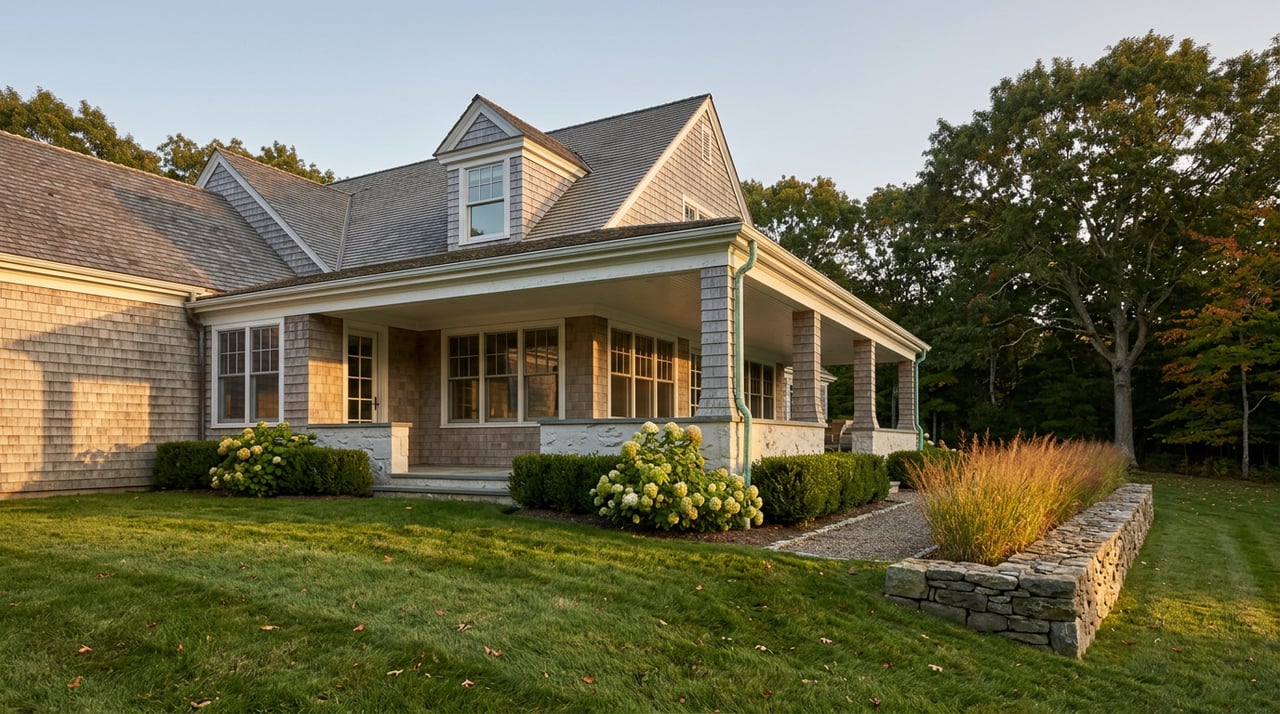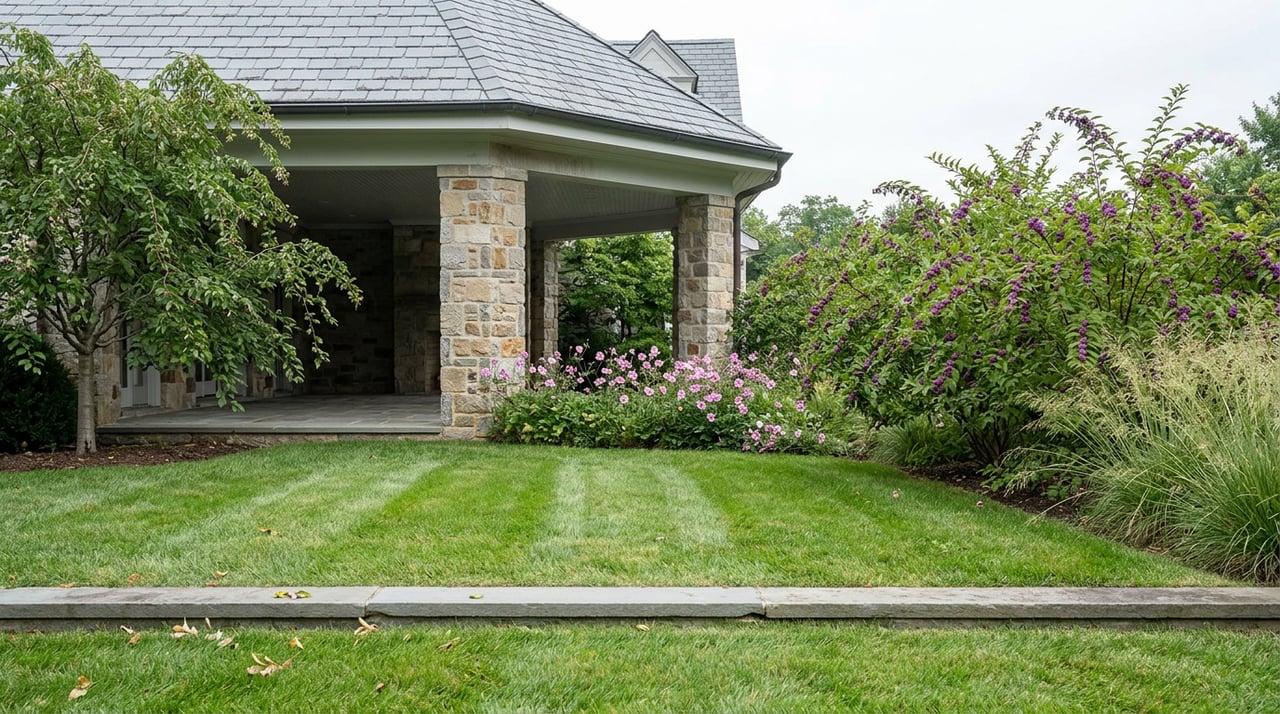
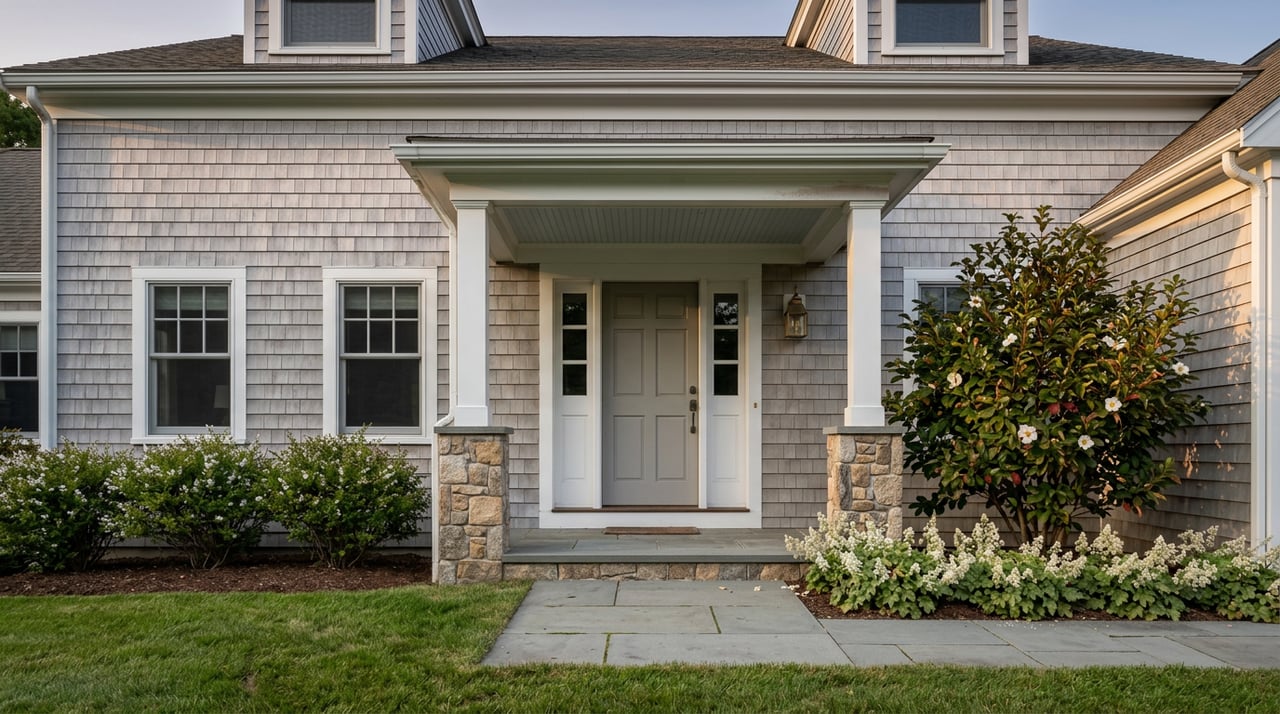
Picture two buyers, each looking at a listing in Haverford, Pennsylvania. Same style of stone-and-shingle colonial, same block radius from the train station, same asking price down to the thousand. They each ask their lender for a property tax estimate before they write an offer. The numbers that come back don't just differ. They diverge enough that one buyer wonders if someone made a typo.
Nobody did. The two houses sit in the same ZIP code and the same postal community, but they are taxed by two entirely different governments running two entirely different clocks. One clock reset five years ago. The other hasn't moved since 1998.
One Address, Two Governments
Haverford, the place, is not the same thing as Haverford Township, the government. The unincorporated community that carries the Haverford name is split between two townships in two counties: Haverford Township in Delaware County, and Lower Merion Township in Montgomery County. A little less than half of the area that reads as "Haverford, PA" sits in Lower Merion. The rest belongs to Haverford Township proper.
This isn't a quirk that only shows up on a survey plat. It follows the house all the way to the mailbox. Public school students in the community are served by either the School District of Haverford Township or the Lower Merion School District, depending on which side of the line a given address falls. Each district sets its own tax rate, runs its own board, and bills separately. Neither is better or worse for this conversation. They are simply different taxing authorities charging different amounts, and the difference is the point.
The Millage Rate Is the Wrong Number to Compare
If you pulled the 2026 millage rates for both sides, you'd see numbers that look close enough to ignore. Haverford Township set a 3.3 percent increase for this year, landing at 4.695 mills for the township's own slice of the bill. Lower Merion's commissioners approved an 8 percent increase back in December, moving their township millage from 4.462 to 4.819 mills. Township manager Dave Burman called his side's plan "focused, minimal, and they're strategic." A world apart, in tone, from what Lower Merion commissioner Ray Courtney said about his township's prior decade of flat rates: the years without an increase "have proven to be a mistake."
Read those two rates side by side and you'd conclude the two Haverfords are taxed almost identically. That conclusion would be wrong, and the reason why is the actual thesis of this piece.
The Number That Actually Explains the Gap
Millage is only half the equation. Tax bills are millage multiplied by assessed value, and assessed value is where the two sides of Haverford stop looking anything alike.
Delaware County, home to the Haverford Township side, went through a full countywide reassessment ordered by the Court of Common Pleas, contracted to Tyler Technologies, and made effective January 1, 2021. That reassessment reset assessed values across the county to reflect market conditions as of a defined date, following the prior baseline that had sat untouched since a reassessment implemented in 2000 using 1998 base-year values.
Montgomery County, home to the Lower Merion side, never got that reset. Homeowners there are still taxed on property values established in 1998. Lower Merion's own commissioners built their December budget debate around this exact fact, acknowledging that thirteen years of flat rates from 2011 through 2024, followed by increases in 2025 and again in 2026, were a way of catching up on revenue without ever touching the underlying 1998 valuations that make the math work.
So here is what actually happens on the ground. A home in Haverford Township is assessed against a number that's a few years old and was built to approximate real market value at the time. A home a few blocks away, on the Lower Merion side, is assessed against a number that predates smartphones, and that number never moved even as the actual value of Main Line real estate climbed for two and a half decades.
What That Looks Like on an Actual Bill
Haverford Township publishes its own sample calculation, and it's a useful anchor. On an average assessed value of $346,000, a property owner pays roughly $1,624 in township tax, $1,595 in Delaware County tax, and $6,799 in Haverford Township School District tax, for a combined bill just north of $10,000. That assessed value of $346,000 is meant to sit close to what the property is actually worth, because the county rebuilt its numbers in 2021 for that exact purpose.
Cross into Lower Merion and the picture changes shape. The township's own budget documents peg the median assessed value there at roughly $287,600, which produces a township tax bill of about $1,386 after the 2026 increase. That township portion is only ten percent of what a Lower Merion homeowner actually pays. Twelve percent goes to Montgomery County, and seventy-eight percent goes to the school district, which is where most of the real money lives and where the frozen 1998 valuation matters most.
| Haverford Township side (Delaware Co.) | Lower Merion Township side (Montgomery Co.) | |
|---|---|---|
| Last full reassessment | Effective January 1, 2021 | Not since 1998 |
| Sample assessed value | $346,000 (average, county-published) | $287,600 (median, township-published) |
| Township portion of bill | About $1,624 | About $1,386 |
| Share of total bill | Township is one of three separate bills | Township is roughly 10% of total bill |
That gap in assessed value isn't a coincidence of different neighborhoods being worth different amounts. It's what happens when one government re-measures the yardstick and the other keeps using the yardstick from a quarter century ago.
Why This Actually Matters When You're Comparing Two Listings
If you're comparing a Haverford Township address against a Lower Merion address, the shortcut most buyers use, take the sale price and multiply by the local millage rate, works reasonably well on the Delaware County side, because the assessed value was rebuilt to track market value. That same shortcut fails badly on the Montgomery County side, because the assessed value has nothing to do with what the home just sold for. A home that trades for $900,000 in Lower Merion might carry an assessed value nowhere near that figure, simply because nobody has updated it since the Clinton administration.
The practical move, before you get attached to a listing, is to ask which township and which county a specific address falls under, then pull the actual current assessed value from the record rather than estimating it from the sale price. Haverford Township's finance office publishes its methodology directly. Lower Merion's tax collector's office does the same for its side. Either one takes a few minutes and saves you from an estimate that's off by thousands.
The Place Itself Doesn't Split the Way the Governments Do
None of this shows up if you're just walking around. Haverford College's arboretum and nature trail, the Merion Cricket Club at the corner of Grays Lane and Montgomery Avenue, the Frank Furness-designed Dolobran estate on Laurel Lane, all of it reads as one continuous community. The place is whole. The tax administration behind it is not, and that's the piece a buyer needs before making an offer, not after closing.
Frequently Asked Questions
How do I find out which township and county my Haverford address falls under? The property record itself will state the taxing municipality and county. This is worth confirming before you rely on any tax estimate, since the community name alone doesn't tell you.
Does a lower assessed value mean a lower actual tax bill? Not necessarily. A lower assessed value combined with a school district's own millage rate can still produce a higher total bill than a higher assessed value taxed at a lower rate. The full picture requires all three bills, township, county, and school, not just one line item.
Will Montgomery County eventually reassess like Delaware County did? Nothing in current township or county communications points to a scheduled reassessment. Lower Merion's recent tax increases have been rate increases against the existing 1998 baseline, not a revaluation of the baseline itself.
If you're comparing homes across this line, or anywhere else on the Main Line where a single town name hides more than one tax system, we can walk through the actual numbers on a specific address before you write an offer. The Houder Nunez-Strid Team works this market daily and can help you see past the listing price to what you'll actually pay. Schedule a Confidential Market Consultation to get started.