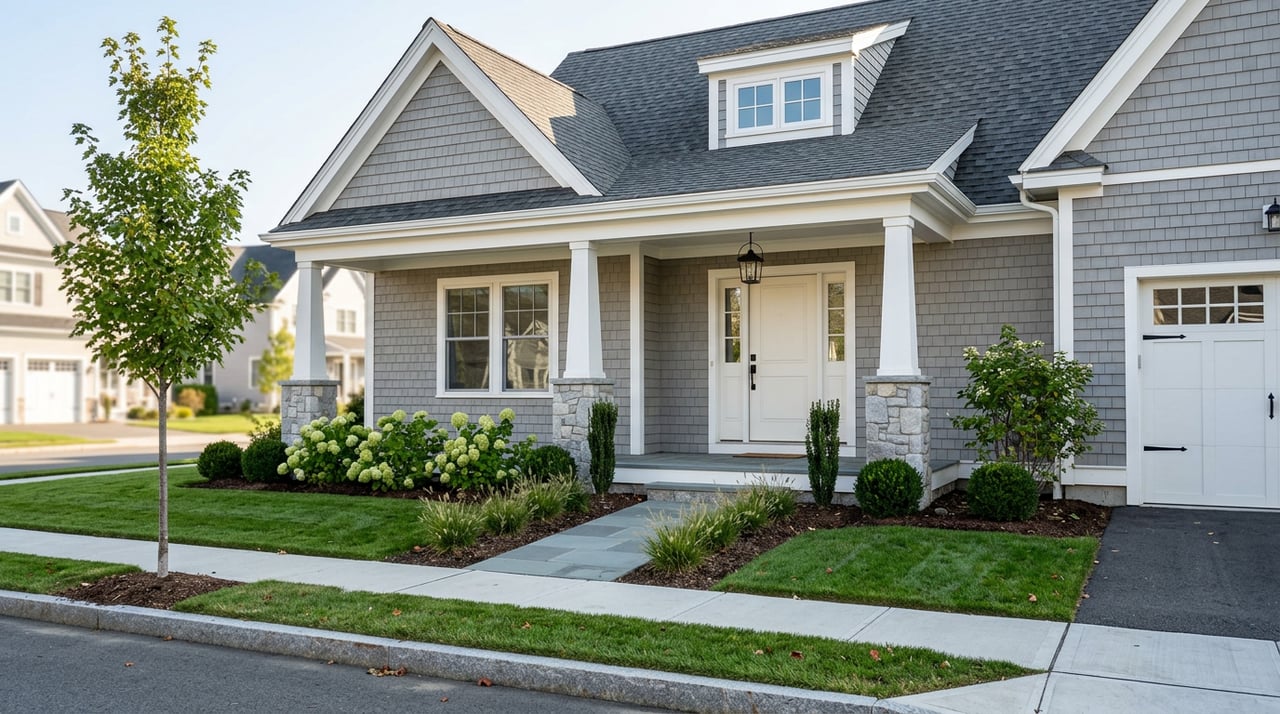
Touring model homes around Newtown Square can feel exciting and a bit overwhelming. You want the right fit for daily life, solid long-term value, and a smooth build process without surprises. In this guide, you’ll learn how to compare new-construction communities like a pro, from floor plans and builders to HOAs, pricing, and local approvals. Let’s dive in.
Why Newtown Square stands out
Newtown Square is a sought-after Main Line area with a mix of luxury master-planned communities, boutique infill, and custom-home options. Because it is a postal place name that overlaps multiple jurisdictions, always confirm the exact township and school district for any address you consider. You can verify municipal and planning details through Newtown Township’s official site.
Public market snapshots vary by data source, which is common. Recent figures showed Zillow’s local home-value index near $746,900, while Redfin reported a higher median sale price near $915,000. The takeaway is simple: rely on fresh MLS comparables and your agent to set expectations, then compare any new-build pricing to nearby Main Line benchmarks that often trend higher, as seen in this Philadelphia-area suburb summary.
Know the projects shaping the area
Large-scale, amenity-forward developments help define today’s Newtown Square experience. Liseter, a Toll Brothers master-planned community, is a prime local example of luxury suburban living with on-site amenities and multiple home types, originally announced for about 449 homes. You can review background coverage on Liseter in this local report.
Ellis Preserve, a 200-plus acre mixed-use master plan, is also reshaping the commercial and housing mix with retail, office, hotel, and multifamily components. These projects can influence traffic patterns, amenity access, and nearby resale demand. Learn more about the scope of Ellis Preserve in this project summary.
Compare community types
Master-planned communities
- What you get: amenities like clubhouses, pools, and trails, plus design standards and robust HOA structures.
- Pros: polished streetscapes, on-site management, staged releases, and often strong resale visibility.
- Considerations: longer build timelines, higher HOA dues, and rules that limit exterior changes.
Production subdivisions
- What you get: one builder offering a menu of floor plans and finish packages across several lots.
- Pros: predictable build processes and centralized warranty service.
- Considerations: fewer customization options once framing starts, and more uniform streetscapes.
Townhouse and condo infill
- What you get: smaller, often higher-amenity buildings or adaptive reuse projects closer to services.
- Pros: convenient locations and lower-maintenance living.
- Considerations: HOA or condo approvals, lender warrantability, and different resale dynamics.
Custom or semi-custom homes
- What you get: maximum design control and the ability to tailor layout, materials, and site use.
- Pros: a one-of-a-kind result that matches your lifestyle.
- Considerations: longer timelines, more permitting steps, and hands-on coordination.
Evaluate floor plans that live well
Modern buyers often prioritize open layouts and flexible spaces that adapt over time. Focus on how the plan functions day to day, not just the square footage. Ask yourself:
- Does the plan offer a first-floor bedroom or a quiet office with natural light?
- Are the mudroom, pantry, and laundry positioned to cut down on clutter?
- Do you have ample storage in the garage, attic, or basement for sports gear, strollers, and seasonal items?
Plan for long-term serviceability too. Look at HVAC and mechanical access, window orientation and daylight, and rooflines that may affect maintenance. If you hope to finish a basement later, ask for bathroom rough-ins, ceiling height details, and grading information. Structural provisions now usually matter more than decorative upgrades.
Vet the builder and the warranty
A strong local track record matters. Ask how many homes the builder has completed nearby, tour occupied phases, and speak with recent buyers about after-sale service. Industry rankings can provide visibility into national brands, such as independent lists published by Lifestory Research, but local delivery and responsiveness should carry the most weight.
Confirm the warranty in writing and know how to use it. A common new-home model covers one year for workmanship, two years for systems like plumbing and electrical, and up to ten years for qualifying structural defects, often backed by third-party programs. Review what is covered, what is excluded, and how claims are handled with the provider, such as 2-10 Home Buyers Warranty. Ask about response timelines, escalation steps, and whether coverage transfers to a future buyer.
Make the most of the design center
Understand what the base price includes and what it does not. Model homes often showcase upgrades, so request an itemized options list and typical costs for popular packages. Get clear, written allowances for cabinetry, counters, and appliances.
Prioritize structural or site upgrades that add long-term utility and value. Examples include a better lot, higher ceiling heights, added windows, an extra garage bay, or basement rough-ins. Many buyers also secure incentives more easily than outright base-price reductions, so discuss closing-cost help, rate buydowns, or specific upgrade credits.
Read the HOA fine print
Ask for governing documents early, including the declaration, bylaws, rules, budgets, reserve studies, recent meeting minutes, and any litigation disclosures. These reveal the HOA’s financial health, project phasing, and upcoming assessments. In Pennsylvania, many planned communities fall under the Uniform Planned Community Act, which sets transparency and governance standards. Review the statute and confirm whether your community is subject to it by referencing the UPCA overview.
HOA dues impact your monthly budget and your lender’s debt-to-income calculation, even though they are not part of your mortgage escrow. See a plain-language explanation of how dues affect borrowing capacity in this financing overview. If you are considering an attached home, ask early about project approval for FHA or VA loans. HUD outlines the condo approval process in its official guidance.
Price, resale, and the Main Line lens
New construction often commands a premium for new systems, efficient layouts, and time savings. The exact premium depends on lot position, finishes, community amenities, and school district. In and around Newtown Square, public sources suggest mid to upper six-figure medians, with some snapshots ranging roughly $700,000 to $900,000 depending on the dataset and time frame. Always anchor your analysis in recent local MLS comparables, then weigh how the offering stacks up against nearby Main Line benchmarks summarized in regional reporting.
Your due-diligence timeline
Pre-shopping
- Get a full preapproval and set a total monthly budget that includes taxes and HOA dues.
- Define must-haves for daily living, like bedroom count, work-from-home needs, and storage.
Research and site visits
- Tour model homes and completed phases.
- Speak with existing homeowners about warranty service and construction quality.
- For larger plans, confirm which amenities are already delivered versus still planned.
- Verify the property’s municipality and planning context on the Newtown Township site.
Contract stage
- Have your agent and, if you wish, a real estate attorney review the builder contract.
- Confirm deposit schedules, termination rights, delivery timelines, and what happens if delays occur.
- Get the full options and allowances list in writing.
Design selections and pricing
- Prioritize structural and lot choices before cosmetic upgrades.
- Lock selection deadlines and change-order fees in writing.
- Discuss incentives like closing-cost credits or rate buydowns.
Pre-settlement and move-in
- Complete a detailed walkthrough and document items on a punch list.
- Register your third-party structural warranty if applicable, and keep claim instructions handy through providers like 2-10 Home Buyers Warranty.
Post-close
- Submit warranty requests in writing and track responses.
- Attend the first HOA meeting to understand budgets and reserves.
The bottom line
If you focus on how a plan supports daily life, choose a builder with a proven local record, read the HOA documents closely, and compare pricing to real MLS comps, you will set yourself up for a confident choice in Newtown Square. Large-scale projects like Liseter and Ellis Preserve add amenities and energy to the area, while boutique and custom options offer tailored living. With clear priorities and the right advisor, you can secure a home that feels great on move-in day and holds its own over time.
Curious which communities fit your wish list and budget today? Schedule a Confidential Market Consultation with the Houder Nunez-Strid Team. We will help you compare neighborhoods, review builder contracts and HOAs, and negotiate incentives that align with your goals.
FAQs
What should I verify before buying new construction in Newtown Square?
- Confirm the exact municipality and school district assignment, review HOA documents and budgets, and verify builder timelines, deposit terms, and warranty coverage using Newtown Township resources.
How do Newtown Square new-build prices compare to the Main Line?
- New builds can trade at a premium; compare to recent MLS sales and use regional benchmarks highlighted in this Main Line market summary.
What warranties come with a new home near Newtown Square?
- Many builders offer one year for workmanship, two years for systems, and up to ten years for structural defects through third-party programs like 2-10 Home Buyers Warranty.
How might Ellis Preserve affect nearby housing decisions?
- As a large mixed-use plan with retail, office, hotel, and multifamily, Ellis Preserve can influence traffic, amenities, and demand for nearby homes; see the project overview.
Do HOA dues impact how much I can borrow?
- Yes, monthly dues count toward your debt-to-income ratio and can reduce borrowing capacity even though they are not part of your mortgage escrow; see this plain-language explainer.
Can I use FHA or VA financing for a Newtown Square condo or townhome?
- Possibly, if the project is approved; HUD provides the official condominium approval guidance your lender will reference.