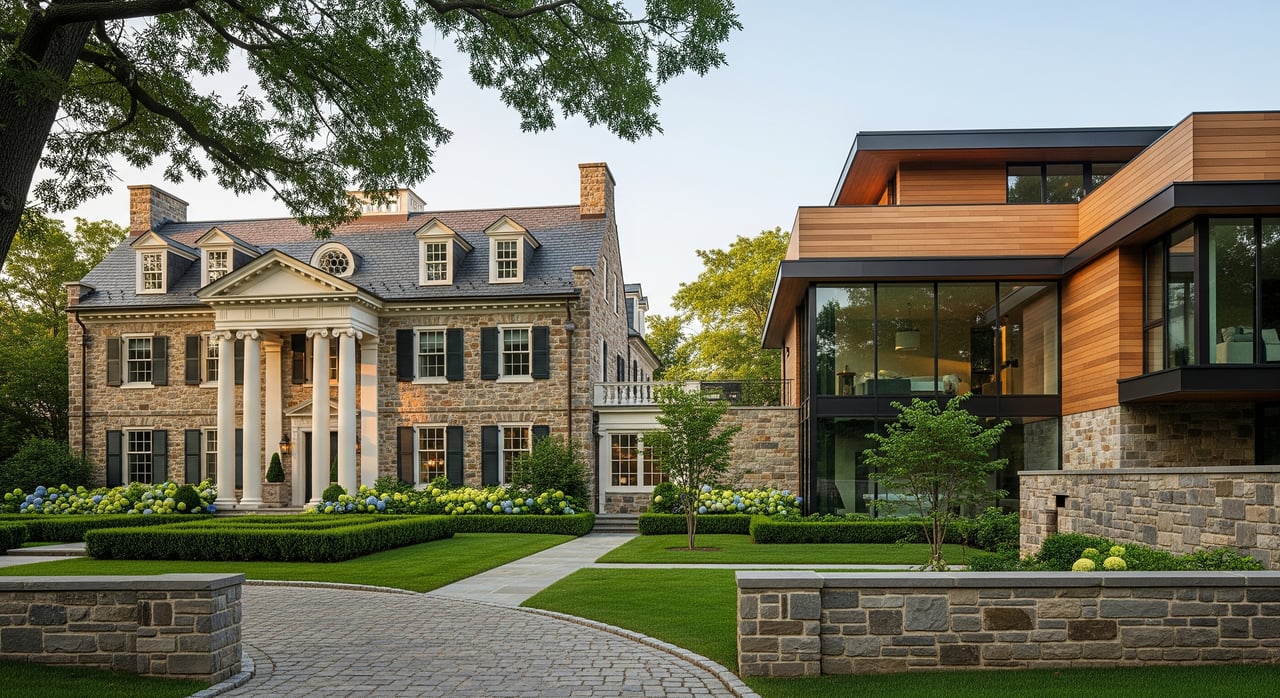
Torn between a brand-new build and a historic charmer in Bryn Mawr? You are not alone. Each path offers real advantages, from energy savings and easy upkeep to character, craftsmanship, and long-term appeal. In this guide, you will learn how costs, maintenance, efficiency, design options, and resale play out in 19010 so you can buy with confidence. Let’s dive in.
Bryn Mawr housing mix at a glance
Bryn Mawr spans parts of Lower Merion Township in Montgomery County and Haverford Township in Delaware County. That split matters because school assignment, taxes, permitting, and historic review can change by address. The housing stock includes late 19th and early 20th century homes, mid-century properties, and newer infill or subdivision builds. Many older homes keep original details, and some sit in local historic districts or qualify for preservation review.
Maintenance costs: what to expect
Ownership cash flow looks different by age and condition. For new construction with systems under warranty, a common budgeting guide is about 0.5% to 1.5% of home value per year. For homes 15 to 50 years old, plan on about 1% to 2.5% per year, depending on prior care. For older or historic homes, a conservative plan is 2% to 4% or more per year, especially if systems are original or deferred.
Budget guardrails
These ranges are rules of thumb for higher-cost suburban markets. Actual costs depend on size, complexity, and prior work, so always get local contractor estimates. Expect early-year spending to be higher if you inherit big projects, then settle into a steadier rhythm once major systems are refreshed.
Why older homes cost more
Historic materials like slate roofing, copper gutters, and custom millwork often carry premium repair costs. Older wiring, older plumbing, and legacy heating systems can require upgrades for safety and insurance. Masonry foundations and exterior wood elements can also need specialized work, which can lengthen timelines and add cost.
Big-ticket timelines and costs
Knowing what ages out helps you plan. Typical replacement windows vary by product, and specialty historic work can increase costs. Use these ranges as a starting point and confirm with local bids.
- Roof replacement: roughly $7,000 to $30,000+; slate and tile sit at the high end. Typical lifespans are 20 to 30 years for asphalt, longer for slate or tile.
- Full HVAC replacement: roughly $5,000 to $25,000, depending on system type and whether new ductwork or multiple zones are added. Lifespans are often 15 to 25 years.
- Water heater or boiler: 8 to 20 years is common for lifespan, cost varies by capacity and fuel.
- Major plumbing repipe: roughly $5,000 to $25,000+, depending on access and extent.
- Electrical upgrades: older knob-and-tube or ungrounded circuits may require modernizing for safety and insurance.
- Window replacement or restoration: roughly $10,000 to $50,000+ for whole-house scope; historically appropriate windows often cost more. Many historic wood windows can be repaired rather than replaced.
- Foundation or drainage fixes: roughly $5,000 to $50,000+, highly dependent on conditions.
Energy efficiency and utilities
Baseline differences
New construction is usually built to modern energy codes with better insulation, sealed envelopes, high-efficiency HVAC, and efficient windows. That typically means lower heating and cooling costs. Older homes can have solid masonry walls, older windows, and limited insulation. In our climate, that often raises energy use, though thick walls can help moderate interior temperatures.
Fast-payback upgrades
You can close much of the gap in an older home with targeted work. Prioritize attic insulation, air sealing, duct sealing, smart thermostats with zoned controls, efficient heating and cooling such as modern heat pumps, and LED lighting. Selective window repairs or storm windows can improve comfort and efficiency without removing original sash.
Historic-sensitive options
When preservation rules apply, you can still improve performance while maintaining character. Window repair with weatherstripping, interior or exterior storm panels, and careful envelope sealing are common approaches. If you plan major upgrades, coordinate early with the township on what requires review.
Incentives snapshot
Federal tax credits and various utility programs often support heat pumps, insulation, and other energy measures. Preservation organizations and local historic commissions may offer technical guidance or limited assistance for historically sensitive work. Check current programs as part of your renovation planning.
Design flexibility and permits
New build advantages
New construction offers wide design flexibility. You can plan open layouts, accessible features, integrated home offices, EV charging, and high-performance systems from day one. Zoning still applies for height, setbacks, and coverage, so confirm the rules for your specific lot.
Historic home constraints
If the property sits in a designated district or under local review, exterior changes typically require approval. Roofing, windows, visible additions, and facade materials may be regulated, while interiors are usually less restricted unless there is an easement. Structure can also limit reconfiguration because load-bearing masonry walls and room dimensions may require more complex engineering.
Project timing
Historic review and specialized trades like slate, masonry, or millwork can extend timelines. New-build permitting also varies by municipality and scope. Build realistic schedules and keep communication open with the township and your contractors.
Inspections, risk, and insurance
Key inspections
Order a full home inspection that covers structure, mechanicals, and roofing. Add specialty checks such as electrical evaluations to identify knob-and-tube wiring or panel capacity, chimney and fireplace inspections, a sewer or septic scope if applicable, and regional tests like radon. For pre-1978 homes, include lead-based paint testing and consider asbestos testing if materials are suspect. For major renovations, consult a historic-structure specialist or an architect.
Insurance and lending
Historic or unique properties can cost more to insure if replacement requires custom materials or specialized trades. Insurers may ask for electrical or heating upgrades before issuing coverage. Lenders sometimes require additional inspections or safety improvements as a condition of funding, so build that into your timeline.
Resale outlook in 19010
Strengths of new construction
Move-in ready condition, modern layouts, and lower near-term maintenance line up with what many buyers prefer. Energy efficiency can help control ongoing costs. These traits often support shorter market times with buyers who want turnkey convenience.
Strengths of historic homes
Character-rich architecture, mature landscapes, and neighborhood cachet can be compelling. In well-preserved Main Line areas, distinctive properties often draw steady interest from buyers who value authenticity. Documented repairs and sensitive updates help preserve appeal over time.
Risks to watch
Deferred maintenance in older homes can reduce your buyer pool or drive price adjustments. New builds can face competition if many similar homes hit the market at once. For both, documented improvements and permits help with appraisal and buyer confidence.
Who each option fits
Best fits for new construction:
- You want turnkey living with predictable budgets and low immediate maintenance.
- You prefer modern layouts with en-suite baths, open kitchens, and integrated offices.
- You want built-in energy performance and accessible design from day one.
Best fits for historic homes:
- You value original details, mature landscaping, and neighborhood character.
- You are comfortable planning and managing selective upgrades or restoration.
- You see long-term value in a unique property within an established area.
Bryn Mawr due diligence checklist
- Confirm your exact municipality, Lower Merion or Haverford, since it affects taxes, schools, permitting, and any historic review.
- Request recent utility bills to understand heating and cooling costs.
- Ask for maintenance records, permits, and dates for major system replacements.
- Schedule a general inspection plus targeted checks: electrical, chimney, radon, pests, and a sewer scope if applicable.
- Check if the home is in a local historic district or has easements. Verify with the township or relevant commissions.
- Verify school district by the specific address.
- Get multiple local contractor bids, especially for slate, masonry, millwork, or energy retrofits.
- Obtain insurance quotes early and ask about required upgrades.
- If renovating, estimate time for historic review and permitting. Contact township staff with your concept plan.
Making the call
Your best choice reflects how you want to live, your appetite for projects, and your budget over time. New construction offers streamlined ownership and efficiency. Historic homes offer character and place, with more variables to plan for. If you want a balanced, data-informed path to the right fit, connect with the Houder Nunez-Strid Team to compare real options in 19010.
FAQs
How much should I budget for maintenance in Bryn Mawr?
- New builds often run about 0.5% to 1.5% of home value per year, mid-age homes about 1% to 2.5%, and older or historic homes about 2% to 4% or more depending on condition.
Which energy upgrades give the best value in older Main Line homes?
- Start with attic insulation, air sealing, duct sealing, smart thermostats, efficient heating or heat pumps, LED lighting, and selective window repair or storms.
What permits or historic reviews might affect my project in Lower Merion or Haverford?
- Exterior changes in designated districts often require review for materials, windows, rooflines, and visible additions. Interiors are usually less regulated, but always confirm by address.
Will replacing original windows hurt resale in Bryn Mawr?
- Buyers often value authenticity, so sensitive repair or historically appropriate replacements can help. Document permits and approvals to support resale and appraisal.
What inspections are non-negotiable for older homes in 19010?
- A full home inspection plus electrical evaluation, chimney inspection, sewer scope if applicable, radon test, and hazard tests for lead paint and potential asbestos.
How do school district lines affect my purchase in Bryn Mawr?
- Municipal boundaries and address-level assignment control school districts and permitting rules, so verify the exact address to understand jurisdiction and requirements.