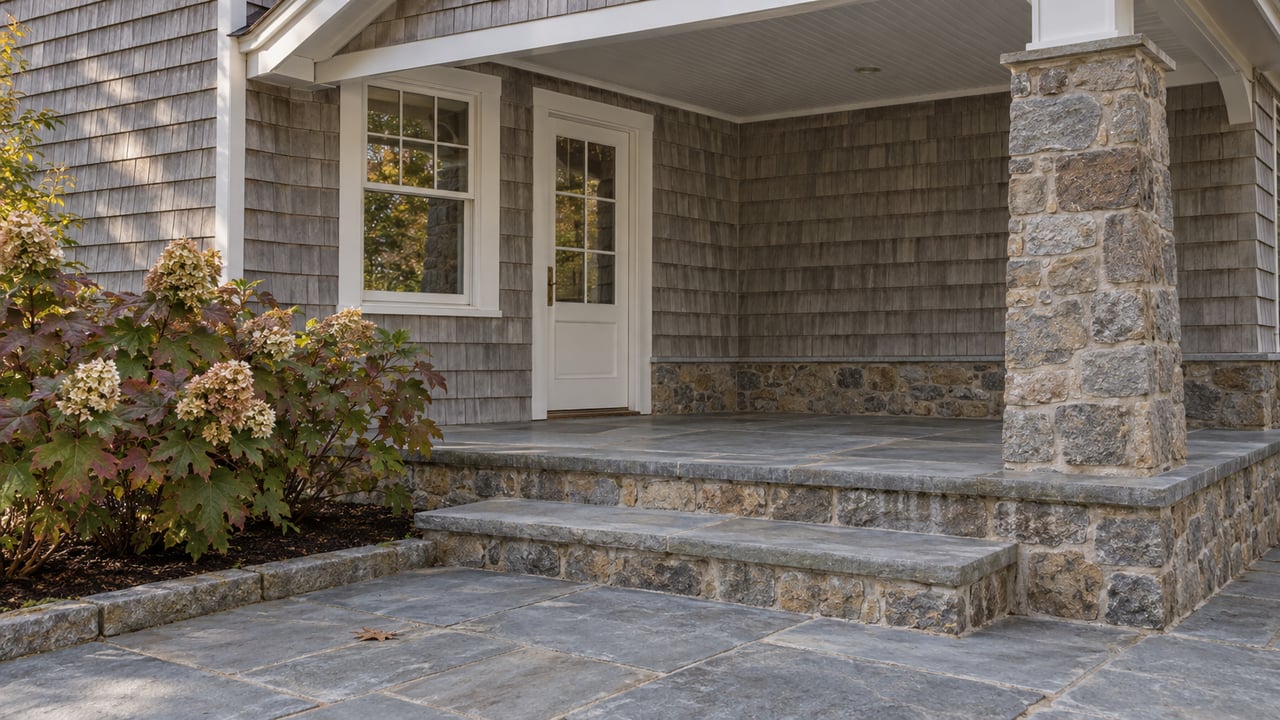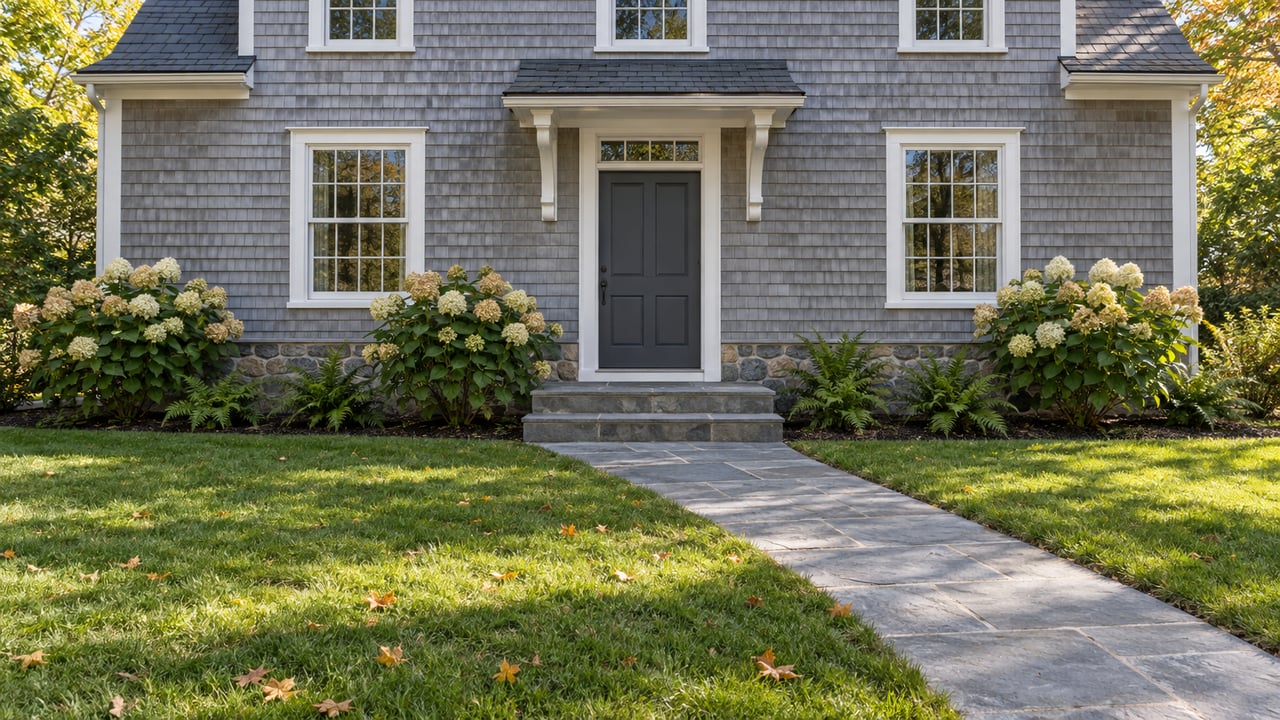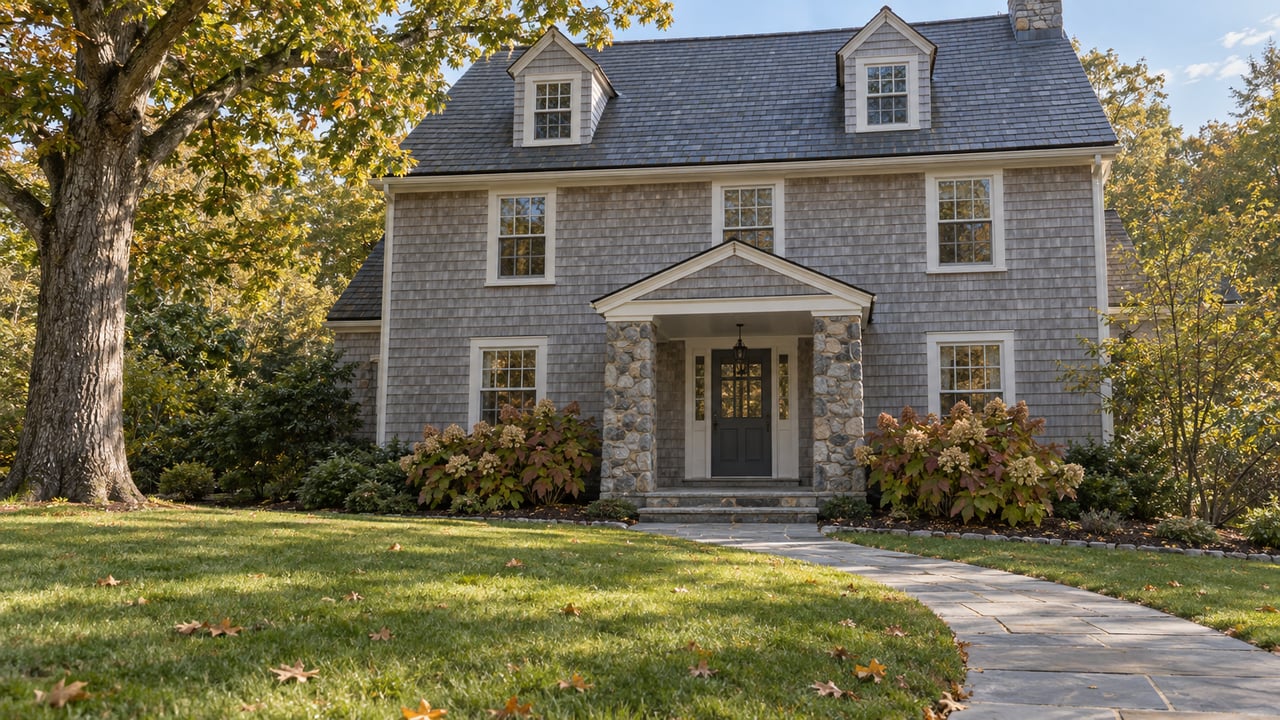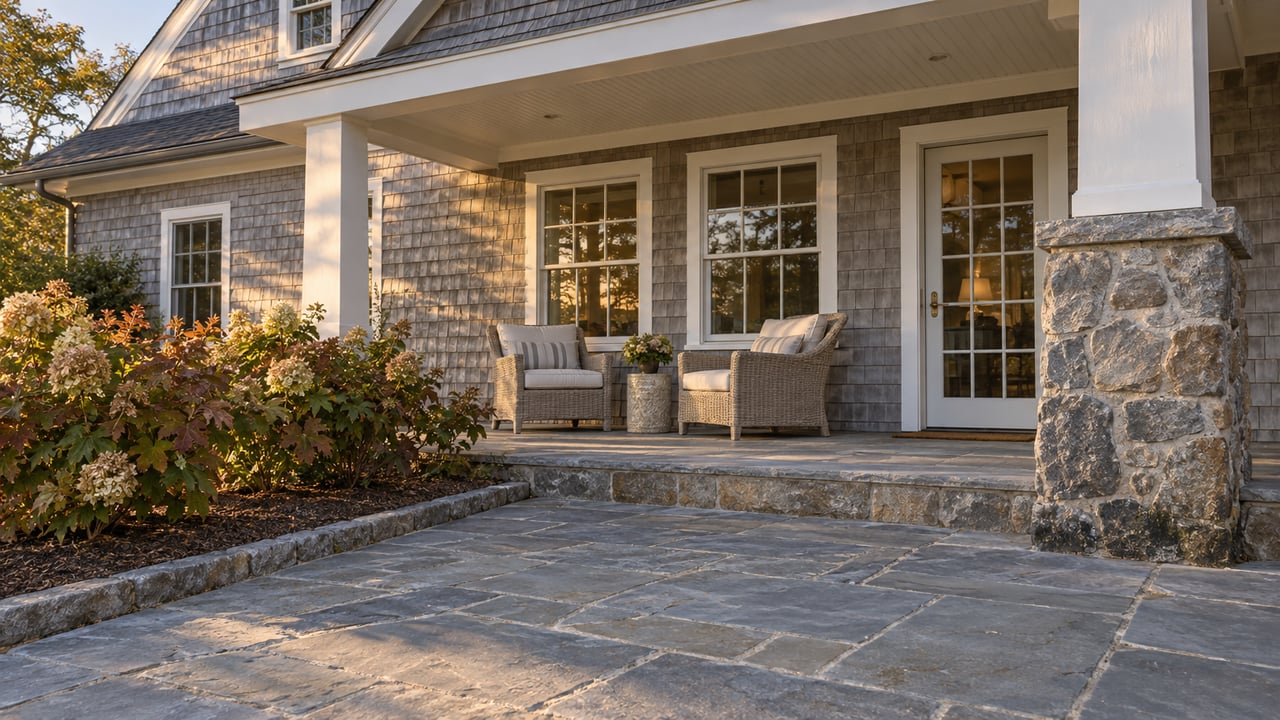
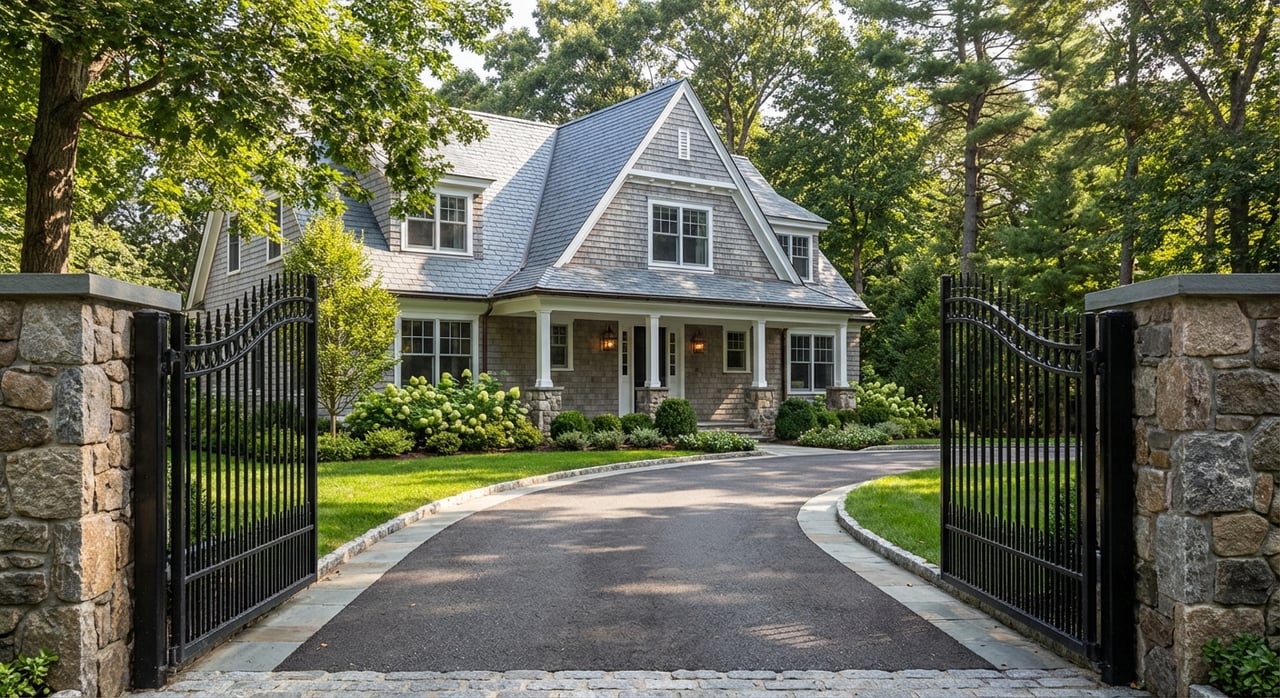
Imagine pulling up a long, tree-lined drive, hearing only birds and the soft crunch of gravel, then stepping into a home that feels like a private retreat. If you are exploring Gladwyne, this is a common first impression. The village blends a historic Main Line core with a broad tapestry of large, private parcels. In this guide, you will learn how the estate market here works, what to expect from lots and architecture, the rules that shape what you can build, and the due diligence that helps you buy with confidence. Let’s dive in.
Why Gladwyne for estates
Setting and privacy
Gladwyne sits within Lower Merion Township on Philadelphia’s Main Line and includes both a walkable village center and significant stretches of wooded, low-density residential land. The Gladwyne Historic District and nearby Mill Creek areas are recognized on the National Register, which preserves much of the area’s character and story. You can read more about the village’s context in the Gladwyne overview.
Privacy is a defining theme. Around Rolling Hill Park and Saunders Woods, you will find permanently protected open-space parcels that reinforce the sense of seclusion. The township documents these holdings in its open-space inventory, which helps buyers understand why certain corridors feel remarkably green.
Architecture and lifestyle
Expect a range of styles. Historic and revival-era homes include Colonial, Georgian, Tudor Revival, and other traditional forms, especially near the village and older estates. Newer custom builds and sensitive renovations add modern function while honoring classic lines. The Mill Creek Historic District documentation offers a useful snapshot of the architectural thread.
What you will pay and find
Price and inventory today
Gladwyne is a high-price Main Line enclave, and values reflect that position. As a dated benchmark, Zillow’s Home Value Index for Gladwyne was about $1.49 million with data through Jan 31, 2026. Market snapshots in late 2025 showed a small number of active estate listings and average days on market measured in weeks, which points to constrained supply. Use these figures as context, then confirm live MLS data before you write an offer or set expectations.
High-end inventory releases in Gladwyne can feel episodic rather than steady. Typical U.S. seasonality leans spring to early summer for new listings, but premium sellers often choose bespoke timelines. For general timing patterns, see this overview of peak real estate seasons, then rely on local monitoring for Gladwyne.
Lot sizes and amenities
Estate parcels here vary widely. You will see examples under one acre (often 0.4 to 0.9), a large concentration from 1 to 3 acres, and occasional multi-acre holdings. Long drives, mature trees, and natural buffers are common. Pools, tennis courts, guest houses, and generous outdoor living spaces appear frequently on larger lots.
Utilities, access, and upkeep
Many Gladwyne homes are connected to public water and public sewer, but some larger or peripheral parcels may have private wells or septic systems. Always confirm utility type on each listing and during due diligence. Larger lots carry higher ongoing costs for landscaping, snow and driveway care, pool service, exterior maintenance, and security systems. Instead of guessing at a number, identify your likely cost drivers up front so you can budget with eyes open.
Access can also matter. Private lanes or shared drives sometimes come with maintenance agreements. If a property sits back from the public road, verify recorded access rights and any shared responsibilities during title and survey review.
Rules that shape what you can do
Zoning basics
Lower Merion Township’s zoning sets the baseline for what you can build, add, or alter. Key dimensional standards include minimum lot area, width, setbacks, and impervious surface limits. Review the township’s dimensional standards and have your buyer’s agent confirm whether the property is conforming. If it is not, future changes may require special review or variances.
Conservation and overlay districts
Large parcels and environmentally sensitive areas may fall under open-space or conservation overlays, including the Open Space Overlay District (OSOD), floodplain, steep slope, wetlands, or wooded-lot rules. These overlays can reduce the buildable envelope, cap impervious coverage, and require preservation areas or recorded easements. Study the township’s overlay and environmental standards before you assume an addition, pool, or accessory structure will be straightforward.
Historic review requirements
If a property sits in or near a local or National Register historic district, exterior changes that are visible from a public way often need review before permits are issued. Lower Merion’s Historic Architectural Review Board (HARB) provides guidance and recommendations as part of that process. Learn what triggers review on the township’s HARB resource page.
Environmental checks you should plan
Floodplain due diligence
Stream corridors, Mill Creek, and the Schuylkill River influence parts of Gladwyne. Check FEMA Flood Insurance Rate Maps and the township’s floodplain overlay to understand insurance needs and building limits near water. Start with the local floodplain standards in the township code, then have your team pull parcel-level FEMA mapping as part of your offer due diligence.
Radon and legacy materials
Pennsylvania has elevated radon prevalence in many counties. Order certified radon testing using a Pennsylvania certified professional so your report is valid for negotiation and planning. The EPA provides a map of radon zones, and you can confirm tester requirements through the state’s radon certification resource. In older homes, plan for lead paint or asbestos assessment if you intend to renovate.
Wells and septic
If a property is on private well or septic, include water-quality testing, well yield, and septic inspection in your contingencies. For septic, pump-and-inspect or percolation testing may be appropriate depending on age and condition. Historical permits or prior reports are helpful context, but rely on fresh testing during your contract period.
Title, easements, and access
Estate properties sometimes carry historical deed restrictions, conservation easements, or unrecorded rights-of-way. You want a full title search and a current boundary survey that verifies access, driveways, and any private-lane agreements. Montgomery County’s property records portal is a good starting point for recorded documents and tax verification.
What to expect at a glance
- Location and setting: Village core plus extensive low-density residential areas with mature trees and preserved open space. See the open-space inventory for context.
- Lot sizes: Commonly 0.4 to 3 acres, with occasional larger tracts. Expect longer drives, deeper setbacks, and private outdoor amenities.
- Architecture: Traditional Main Line styles such as Colonial, Georgian, and Tudor Revival, plus newer custom builds and renovated classics. See the Mill Creek Historic District for period context.
- Schools: Properties are generally served by the Lower Merion School District. Always verify specific school assignments with the district.
- Utilities: Many homes have public water and public sewer, though some estates have private well and septic systems. Confirm on every listing.
- Inspections: Older estates benefit from specialist inspections for structure, chimneys, roofs, pools, HVAC, electrical, and sewers, along with radon testing and, where applicable, lead or asbestos assessments.
Estate-purchase due diligence (Gladwyne)
Use this checklist with your agent and attorney from pre-offer through contingencies:
- Confirm zoning district, dimensional limits, and any overlays. Review the township’s dimensional standards and applicable overlay rules.
- Request a zoning and permit history from the township.
- Order an ALTA/NSPS boundary survey that verifies property lines, driveways, rights-of-way, and any shared-lane agreements. Search the county’s property records for recorded easements and covenants.
- Conduct a full title search for conservation easements, deed restrictions, and unrecorded access issues. Confirm annual taxes and any special assessments through county records.
- Complete a general home inspection and add specialist inspections as needed: structural engineer for settlement or large additions, chimney, roof, pool, HVAC, electrical, sewer camera scope, and termite or wood-destroying organism review. Guidance on older-home systems is outlined in this inspection primer.
- Order certified radon testing and arrange lead or asbestos assessments for pre-1978 homes. See Pennsylvania’s radon certification guidance.
- Check FEMA flood maps and the township floodplain overlay, then confirm insurance implications under the local floodplain standards.
- Review historic-district status and HARB procedures before planning exterior changes. Start with the township’s HARB page.
- Get written estimates for near-term capital items like roof, boilers or central AC, electrical service upgrades, and pool systems so you can negotiate based on real numbers.
Timing and strategy in a tight market
Market cadence
Gladwyne’s upper-end inventory is limited and lumpy. Expect single-digit to low-teen active listings at times and multi-week marketing cycles when properties do come to market. To stay ahead, build a watchlist, set alerts, and be ready to preview quickly. Keep in mind that some estates trade privately, so a networked strategy matters.
How we help you win
At this price point, the right preparation is an advantage. We help you validate zoning and overlays early, line up inspections and specialists, and understand true operating costs before you commit. With Compass Private Exclusives and a deep Main Line network, we surface opportunities that may not hit broad channels, then guide you through measured, professional negotiations. If you are selling a current residence to buy in Gladwyne, Compass Concierge can coordinate value-adding updates that position you to move cleanly and maximize your net.
If you are weighing whether Gladwyne is the right fit, we would love to share a quiet, data-informed perspective and tour a few options so you can compare lots, settings, and timelines with clarity. Connect with the Houder Nunez-Strid Team to plan your next steps.
FAQs
What defines an estate property in Gladwyne?
- Estate properties often sit on larger lots, commonly 0.4 to 3 acres or more, with long drives, mature landscaping, and amenities like pools or guest spaces. Architectural styles range from historic revival to newer custom builds.
How do overlays affect my ability to add a pool or addition?
- Open-space, floodplain, steep slope, and wooded-lot overlays can reduce buildable area and cap impervious surfaces. Review the township’s overlay standards and confirm your zoning district’s dimensional limits before drawing plans.
Do I need flood insurance near Mill Creek or the Schuylkill River?
- It depends on your parcel’s position relative to FEMA flood zones. Check the township’s floodplain code and pull FEMA maps during due diligence to confirm insurance needs and building restrictions.
How common are private wells or septic systems in Gladwyne?
- Many homes use public water and sewer, but some larger or more peripheral estates rely on private well and septic systems. Always verify utility type, then schedule water-quality and septic testing during your contingencies.
What inspections are most important for older estates?
- In addition to a general inspection, plan for structural, chimney, roof, pool, HVAC, electrical, sewer camera, termite or WDO, plus radon testing and lead or asbestos checks for pre-1978 homes. This inspection guide outlines common older-home focus areas.
When is the best time to buy in Gladwyne?
- Spring often sees more listings nationally, but premium estates in Gladwyne may launch on custom timelines. Track local activity, be prepared to move quickly, and leverage network access to off-market opportunities.