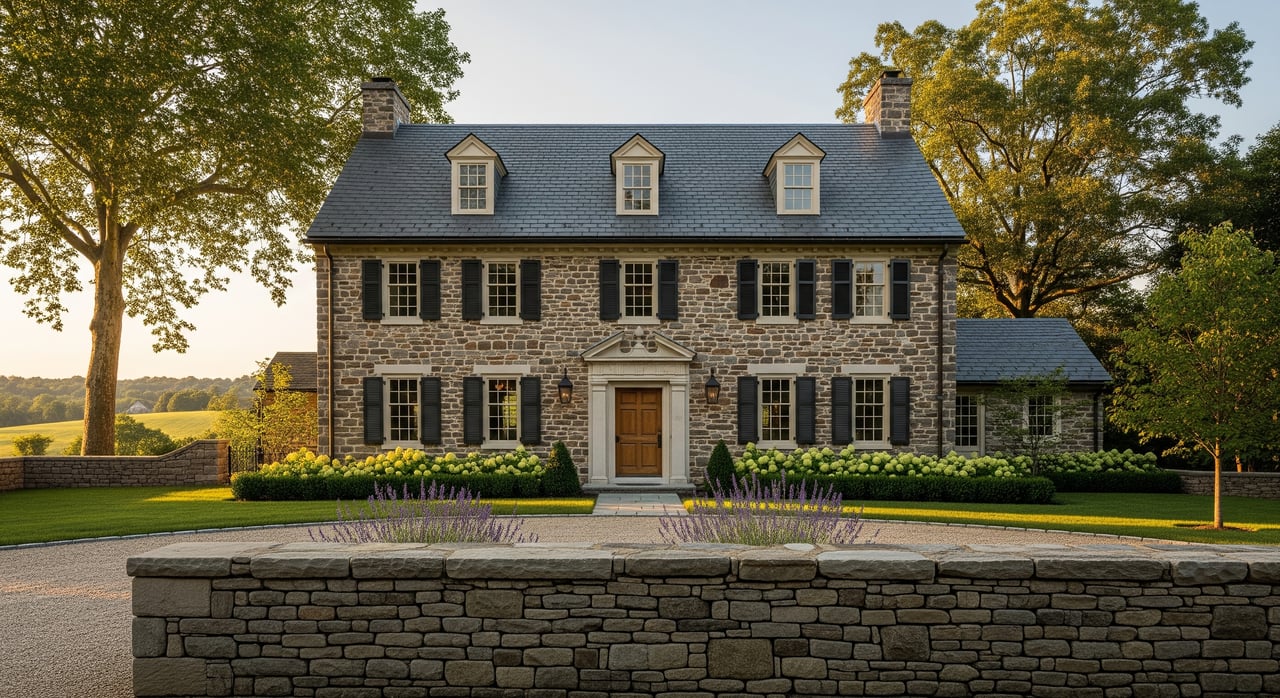
Do you love the warmth of thick stone walls, original millwork, and the calm of a tree-lined street? If you are drawn to the history and character of Malvern’s early stone houses, you are not alone. Buying one is different from buying a newer home, and the right plan will help you protect both the charm and your investment. In this guide, you will learn what to inspect, how to plan improvements, and what to expect from insurance and financing so you can purchase with confidence. Let’s dive in.
Why Malvern’s stone homes stand out
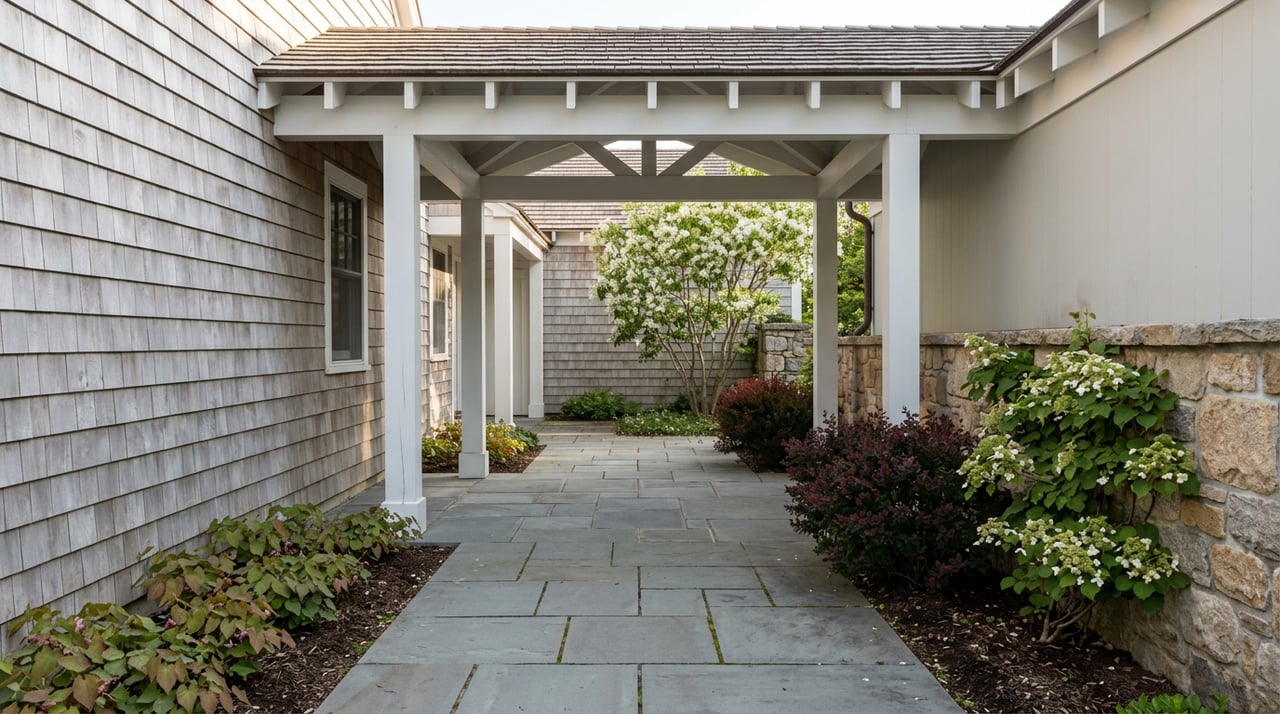
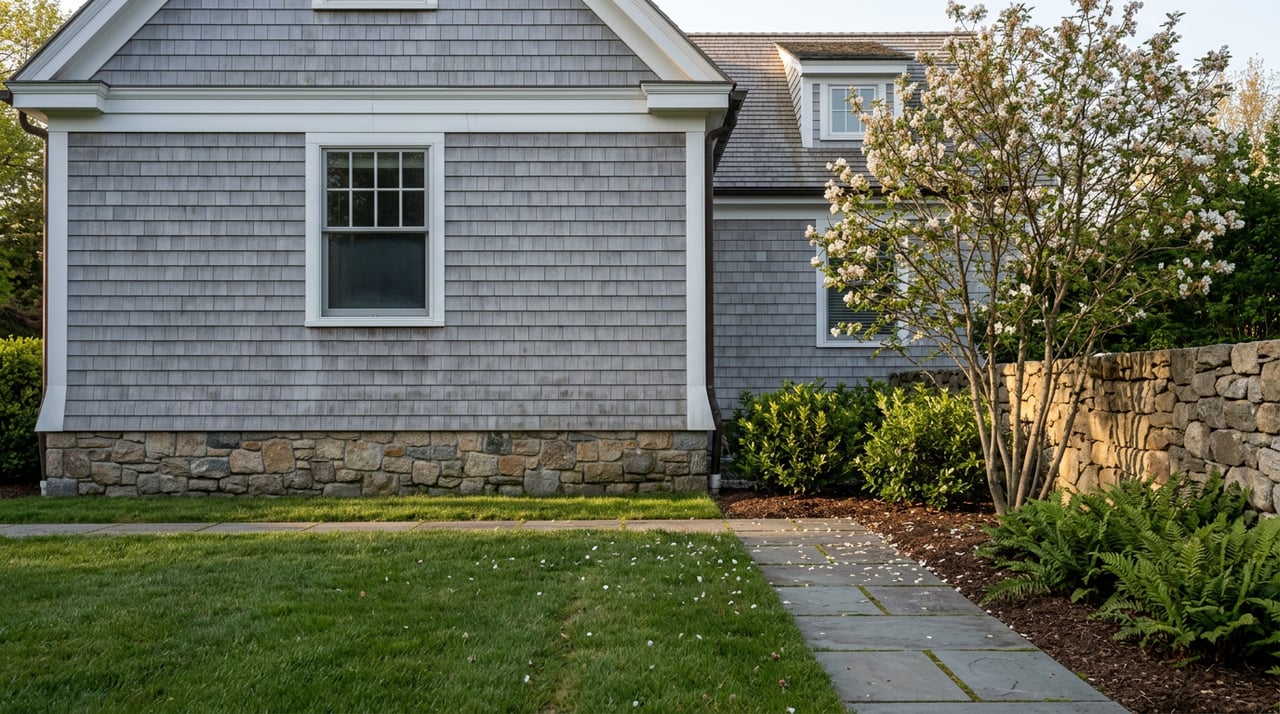
Malvern and nearby Chester County towns are known for 18th and 19th century stone houses with rubble or cut-stone walls, lime-based mortars, slate roofs, and plaster interiors. These homes are valued for materials you can feel and see, plus the scarcity that comes with age. Many sit in walkable areas with access to regional job centers and transit. Some properties may also fall within a local or listed historic district, which can affect exterior changes and permits.
What to expect in an older stone house
Historic stone homes reward care and planning. The systems are durable, but they age differently than newer construction. Here is what to watch and how to think about maintenance.
Masonry and mortar basics
Older stone walls were laid with lime-based mortar that breathes and moves. Using hard Portland cement for repairs can crack or spall the stone. Expect periodic repointing with a lime-compatible mix and careful flashing improvements in leak-prone areas. Moisture management is key to long-term durability.
Foundations and structure signals
Early homes often have stone or rubble foundations. Look for cracks with displacement, bulging walls, or water infiltration in basements. Significant movement or plans to open walls call for a structural engineer with historic masonry experience. Address drainage outside to keep water away from the foundation.
Slate and historic roofing
Slate is long-lived but needs attention to broken slates, flashings, valleys, and gutters. Missing or slipped slates can lead to hidden leaks. Hire roofers trained in slate and historic techniques for inspections and repairs. Plan for ongoing maintenance rather than full replacement when possible.
Chimneys and fireplaces
Historic brick or stone chimneys may have deteriorated mortar, cracked liners, or settling. If used for wood burning, creosote can pose hazards. Have a certified chimney inspector assess structure, liners, and clearances. Sweep and service on a regular schedule.
Windows and exterior woodwork
Original wood windows and doors define the look and feel of the home. Many can be repaired with sash restoration, glazing, and weatherstripping. A repair-first approach often protects character and performs well when paired with storm windows. Wholesale replacement can reduce value if it removes defining features.
Interior plaster
Plaster over lath can crack or delaminate as framing shifts or moisture intrudes. Skilled plaster repair preserves acoustics and the interior feel better than full drywall replacement. Fix underlying moisture issues before cosmetic work.
Electrical, plumbing, and HVAC
You may find knob-and-tube or cloth-insulated wiring, older panels, galvanized supply, or cast-iron waste lines. Insurers and lenders often require upgrades to outdated systems. Plan for a licensed electrician and plumber to evaluate and phase replacements. New HVAC may be possible with careful duct routing to protect historic fabric.
Energy and moisture strategy
Solid stone walls have high thermal mass but low R-value. Interior insulation must be breathable to avoid trapping moisture in the masonry. Focus first on air sealing, attic insulation, and storm windows. Bring in a building-envelope specialist before insulating stone walls.
Lead and asbestos awareness
Pre-1978 homes likely have lead-based paint. If you renovate, lead-safe practices by certified professionals are required. Asbestos may be present in floor tiles, insulation, or pipe wrap. Test suspect materials and use licensed contractors if abatement or encapsulation is needed.
Drainage, grading, and landscaping
Mature trees and historic grading can push water toward the foundation. Keep gutters and downspouts clear and discharge water away from the house. Adjust grading carefully to guide runoff without harming historic materials.
Smart inspections before you buy
A strong due diligence plan gives you clarity on budget, safety, and feasibility of any upgrades. Go deeper than a standard inspection to avoid surprises.
Go beyond a standard inspection
Order a full home inspection and then add specialists. Consider a structural engineer experienced with historic masonry, a slate-trained roofer, and a CSIA-certified chimney inspector. Bring in licensed electricians, plumbers, and HVAC pros for system evaluations. Test for radon and arrange lead-based paint and asbestos assessments where appropriate.
Finding preservation-minded pros
Look for contractors with proven historic experience. Ask for references, project photos, and details on materials and methods, including lime mortar use. Verify licenses and insurance and ask about timelines and warranties. Local preservation groups and municipal offices can help you locate qualified professionals.
Scope, contracts, and permits
Define materials and techniques in writing, such as mortar mix and stone profile, rather than vague “match existing” language. Tie payments to milestones with lien releases and a final walkthrough. Confirm permit needs with Malvern Borough, and if the home is in a historic district, determine which exterior changes require review before you begin.
Insurance, loans, and incentives
Planning early for coverage and financing will smooth your path to closing and help you budget the right way.
Insurance realities
Older homes are insurable, but carriers may require system upgrades or exclude certain materials. Replacement coverage for features like slate or custom millwork can be limited without endorsements. Discuss coverage options, exclusions, and any required updates with an agent who understands historic homes. Get clarity on conditions before you finalize the purchase.
Financing options
Lenders may require functional, modern systems for standard loans. If major work is needed, renovation programs such as FHA 203(k) or agency-backed renovation loans can combine purchase and improvement costs. Expect program limits and documentation requirements. Your lender can advise on eligibility and whether repair escrows are needed.
Tax incentives and easements
Federal historic tax credits usually apply to income-producing properties, not owner-occupied homes. State or local grants may exist for certain preservation projects in Pennsylvania. The Pennsylvania Historical & Museum Commission and county resources can outline what is available. Preservation easements can have tax benefits but are complex, so consult legal and tax advisors.
Environmental risk management
Check flood risk and insurance needs if the property lies in a mapped floodplain. Test for radon, which is common in the region, and budget for mitigation if levels are high. Follow lead-safe renovation practices and use licensed contractors for asbestos. Address these items early so they do not delay closing.
Lifestyle and long-term value
Buying a historic stone home is as much a lifestyle choice as it is a real estate decision. You get timeless character and the pride of stewardship.
Daily life in a historic home
Expect ongoing care like periodic tuckpointing, slate maintenance, and seasonal chimney service. Many owners embrace a plan-and-prioritize approach and build a trusted contractor team. Thoughtful updates can add comfort without sacrificing character. The result is a home that feels grounded and unique.
What drives resale value
Scarcity and curb appeal are powerful. Preservation-sensitive work that retains original windows, stonework, and slate tends to support value. Unpermitted or inappropriate changes, like hard cement mortar repairs or removal of character-defining features, can hurt marketability. Documented, code-compliant upgrades are a plus for future buyers.
Negotiation strategies
Use your inspection contingency to gather specialist reports and cost estimates. Ask for maintenance records, invoices, and permits for past work. For known issues, seek seller repairs, credits, or escrow funds tied to clear scopes and timelines. If the property is in a historic district, request documentation on any prior reviews and approvals.
Buyer checklist for Malvern stone homes
- Confirm municipal historic status and any review requirements with Malvern Borough.
- Order a full suite of inspections and specialist evaluations.
- Test for lead paint, asbestos, and radon before planning renovations.
- Get written estimates from contractors skilled in historic masonry, slate roofing, and window restoration.
- Consult an insurance agent about coverage conditions and costs, and verify lender requirements for system upgrades.
- Build a phased plan: immediate safety and structural work first, comfort and cosmetic upgrades next.
- Budget for specialist workmanship, and allow extra time for preservation-sensitive work.
Ready to find the right historic stone home in Malvern and buy with confidence? The Houder Nunez-Strid Team pairs Main Line expertise with a thoughtful, preservation-aware approach to help you evaluate condition, plan smart updates, and negotiate well. Reach out to the Houder Nunez-Strid Team to Schedule a Confidential Market Consultation.
FAQs
What makes Malvern’s historic stone homes unique?
- Many date to the 18th and 19th centuries with lime-mortar masonry, slate roofs, and plaster interiors that offer enduring character and material quality.
How should I approach masonry repairs on a stone house?
- Use a lime-compatible mortar and preservation-minded techniques to protect the stone, and avoid hard Portland cement that can cause cracking and spalling.
Will insurers cover an older stone home in Malvern?
- Often yes, but carriers may require system upgrades and may limit replacement coverage for historic materials without specific endorsements.
Can I replace old wood windows for energy savings?
- Consider repairing original windows and adding storm windows first, which can preserve character and improve performance without full replacement.
What inspections should I order before closing?
- In addition to a general inspection, arrange masonry or structural, slate roofing, chimney, electrical, plumbing, HVAC, radon, and lead or asbestos assessments where needed.
Are there tax credits for owner-occupied historic homes?
- Federal tax credits focus on income-producing properties; check state or local programs for possible homeowner grants or incentives in Pennsylvania.
Is insulating stone walls a good idea?
- It can be risky without the right method. Work with building-envelope specialists and use breathable systems to avoid trapping moisture in the masonry.