If you are getting ready to sell a Gladwyne estate, size alone is not what wins today’s buyer. In a premium market, buyers often form their first opinion online, then decide quickly whether a home feels worth a private showing. The good news is that you do not need a full renovation to make a strong impression. You need a smart plan that highlights scale, condition, character, and privacy. Let’s dive in.
Why presentation matters in Gladwyne
Gladwyne sits within Lower Merion Township, which describes it as a small, historic, pedestrian-oriented hamlet with a largely residential character. That setting shapes buyer expectations before they ever step through the door. They are not just evaluating square footage. They are looking for a home that feels cared for, lasting, and well suited to its surroundings.
Recent market snapshots also show why thoughtful preparation matters. Late-spring 2026 data from major portals placed Gladwyne firmly in the luxury tier, with median listing and sale figures well above $1.5 million and relatively limited inventory. At the same time, homes were not uniformly trading above ask, which means pricing discipline and presentation still matter, even when inventory is thin.
What today’s buyer is really buying
In a market like Gladwyne, buyers are buying more than a house. They are buying confidence in the property, confidence in the upkeep, and confidence that the home will fit the lifestyle they picture for themselves. That is why estate preparation should focus on how the home feels, functions, and photographs.
A 2025 staging report found that 83% of buyers’ agents said staging made it easier for buyers to visualize a property as their future home. The same report found that 60% said staging affected most buyers’ view of a home most of the time. In other words, presentation can shape perception before buyers start comparing details like room count or lot size.
That same research also found that the living room, primary bedroom, and kitchen were the most important rooms to stage. For Gladwyne sellers, that means the goal is not to style every corner equally. It is to make sure the most visible and emotionally important spaces feel polished, bright, and easy to understand.
Start with disciplined editing
Remove distractions
Staging is not the same as remodeling. The first step is to present the home in its best light by removing what competes with the architecture, scale, and natural light. Personal items, excess décor, and bulky furniture can make even a large estate feel busy.
You want each room to feel intentional. Buyers should be able to see how spaces connect, how circulation works, and where daily life would happen. When rooms feel crowded or overly formal, buyers can struggle to picture themselves there.
Show scale, not storage
Large homes often collect a lot of furnishings over time. That can be a problem because overfilled rooms and closets make the home read smaller than it is. Editing down furniture and reducing visible storage helps buyers understand the true proportions of the property.
This matters especially in estate homes, where buyers expect rooms to feel generous and usable. A bedroom should feel restful, not packed. A library or study should feel purposeful, not like overflow space. A kitchen should feel open enough for both daily use and entertaining.
Neutral beats highly personal
Design-trend guidance points to the broad appeal of timeless simplicity. Monochromatic palettes, natural light, and clean, open-feeling layouts tend to connect with more buyers than highly personalized rooms or short-lived trends. If a space feels too specific to one owner’s taste, the buyer pool can narrow.
That does not mean stripping the home of warmth or character. It means creating a calm backdrop so the home itself stands out. In Gladwyne, where many estates already have strong architectural identity, restraint often works better than reinvention.
Focus updates where they build confidence
Address obvious objections first
A pre-sale inspection is optional, but it can help identify issues before showings begin. If buyers notice deferred maintenance or suspect larger hidden problems, confidence drops quickly. For high-value homes, even small visible issues can raise bigger questions about care over time.
That is why selective repair is often the smartest path. Fix what looks tired, resolve maintenance items that are likely to come up during inspections, and understand the condition of major systems such as the roof, HVAC, and appliances. Buyers do not need every finish to be brand new, but they do want reassurance.
Skip the full remodel mindset
Many estate sellers wonder if they should renovate before listing. In most cases, the stronger strategy is not a wholesale transformation. It is a measured plan that improves marketability without overspending on choices a future buyer may want to change anyway.
Cleaning, decluttering, touch-ups, and targeted improvements often do more for buyer confidence than trend-driven updates. If a room looks dated but is clean, functional, and well presented, it may still show well. If it looks neglected, buyers may assume the work ahead is larger than it really is.
Treat the grounds as part of the sale
Curb appeal sets the tone
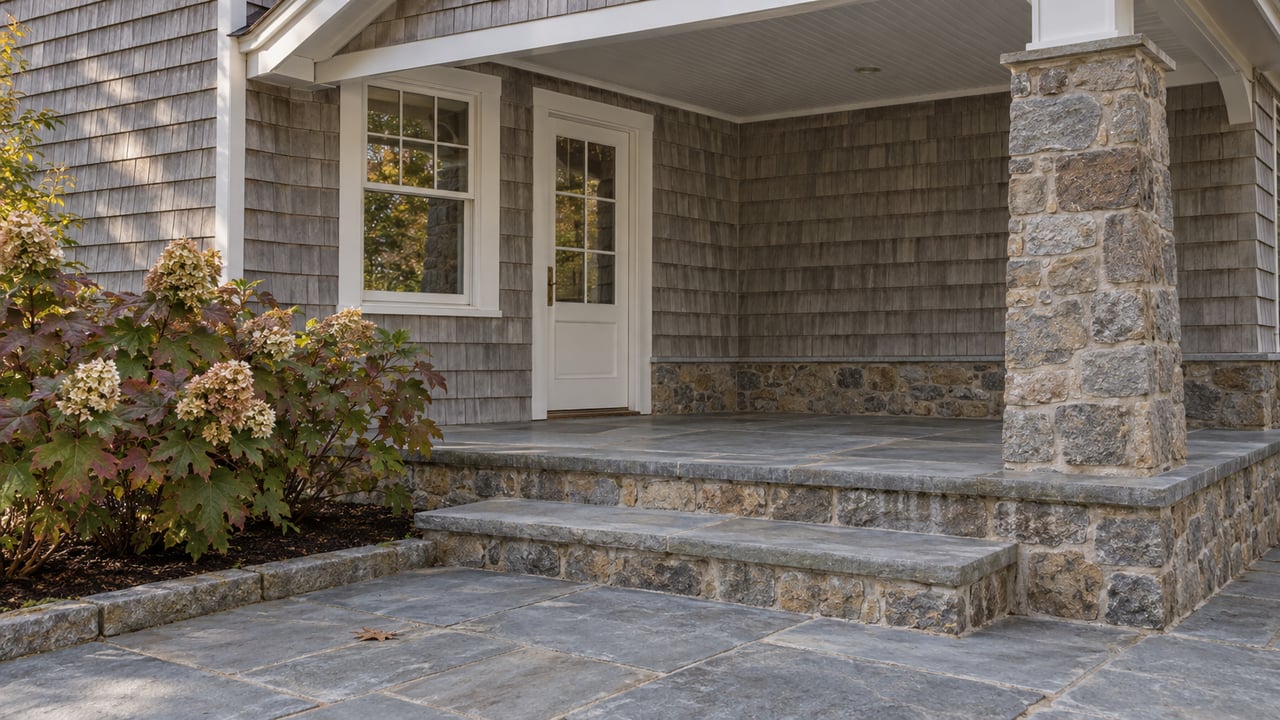
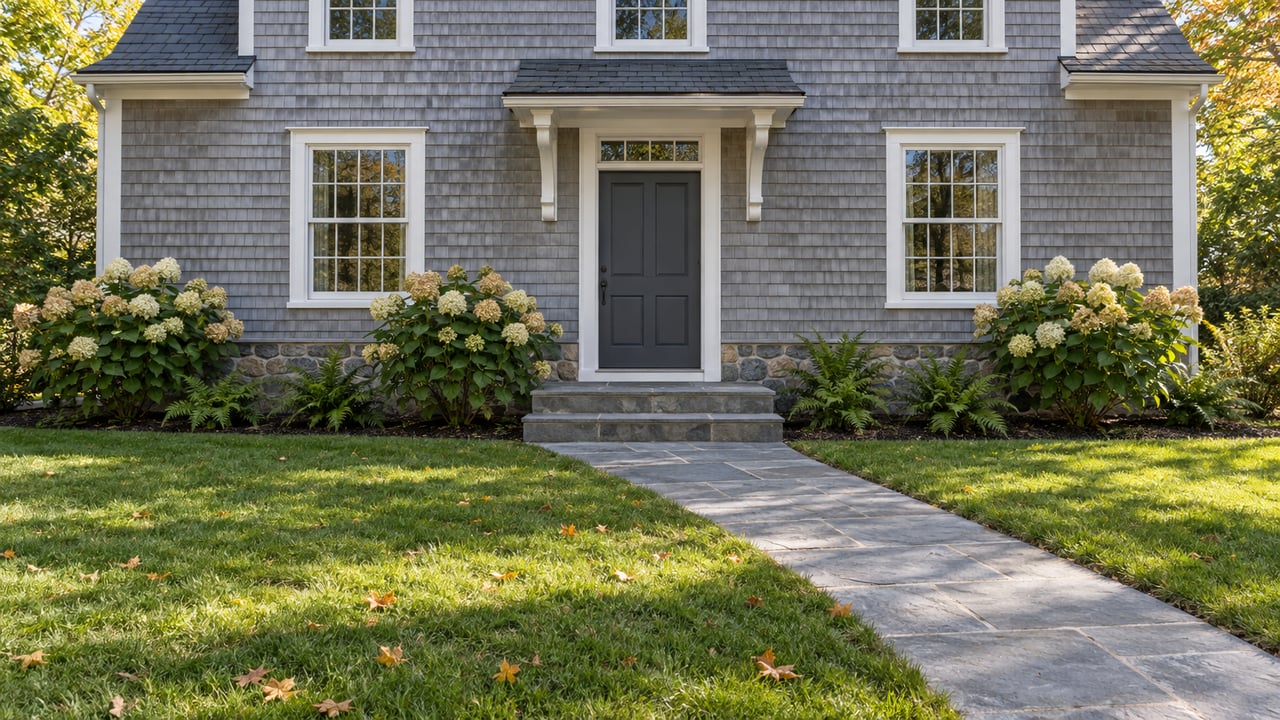
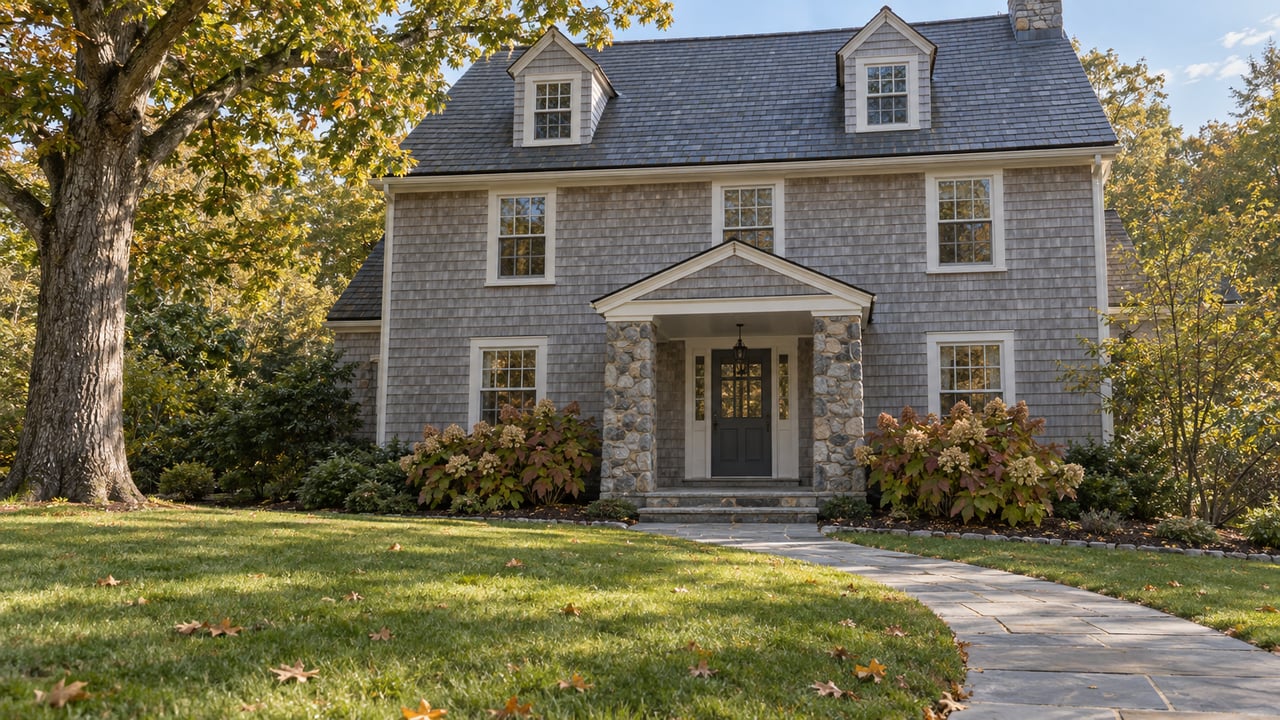
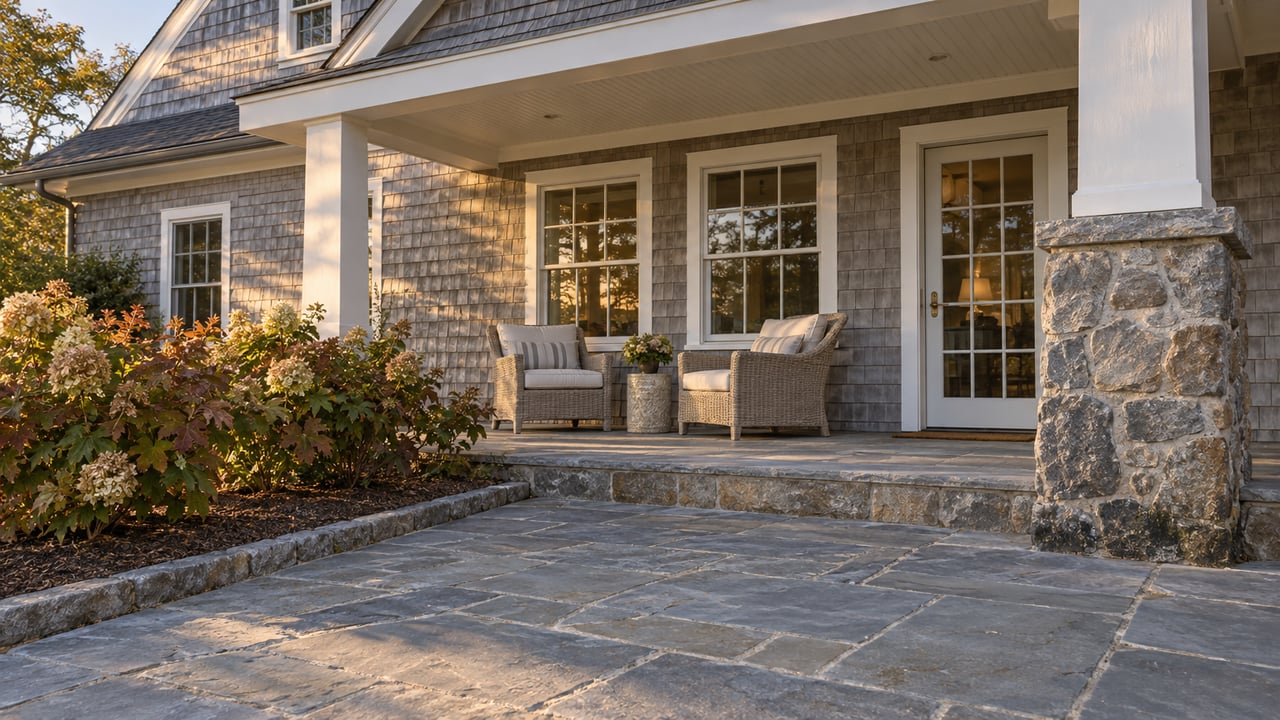
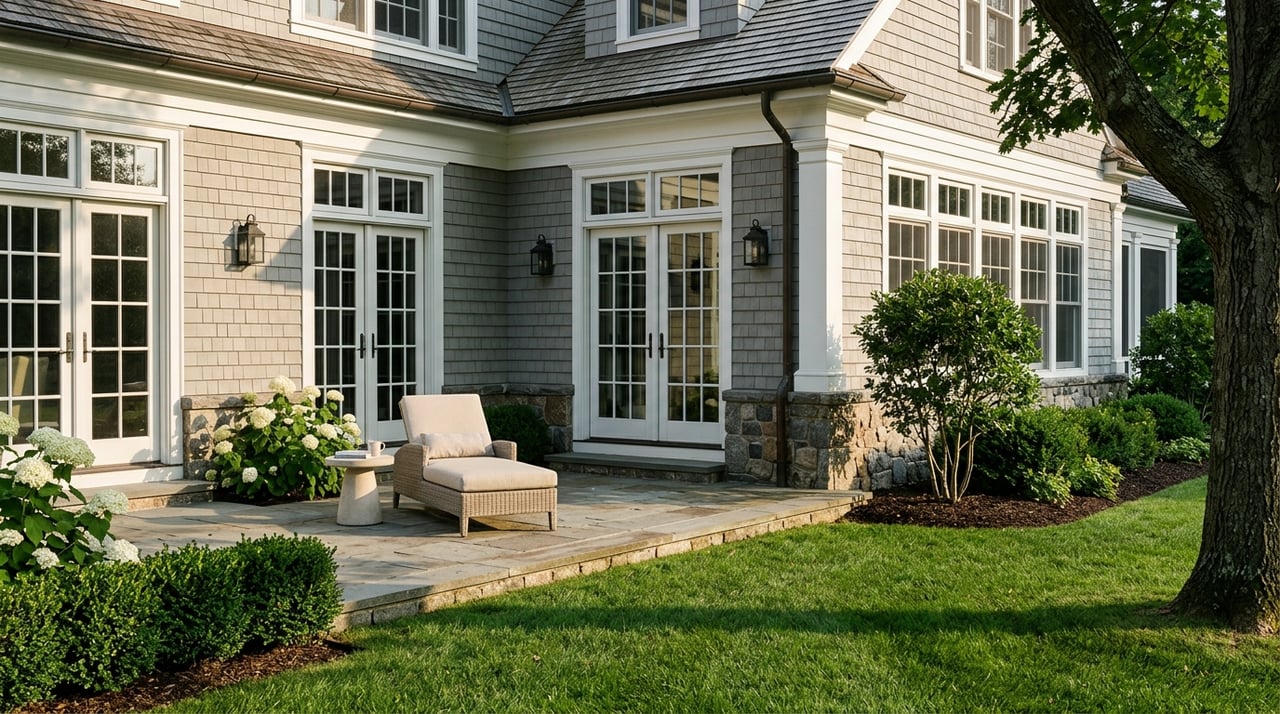
For an estate property, the showing starts before the front door opens. Outdoor presentation helps establish value, care, and privacy from the first glance. It also frames the architecture and supports the sense of arrival that buyers expect in Gladwyne.
Industry guidance consistently points to curb appeal as a key pre-listing priority. In practical terms, that usually means a neat lawn, trimmed shrubs, healthy trees, refreshed mulch, clean driveways and walkways, and an uncluttered entry. Exterior lighting should help the approach feel composed and welcoming, not overdone.
Respect mature landscaping
In a place known for natural beauty and established homes, landscaping is not a minor detail. Penn State Extension notes that healthy, mature, well-placed trees can add property value, and proper pruning improves structure, health, beauty, and value. For Gladwyne estates, that can be especially important because mature grounds are often part of the property’s identity.
A thoughtful seller does not need to redesign the landscape. Instead, the goal is to present it well. Buyers should see healthy plantings, maintained trees, and outdoor areas that feel intentional rather than overgrown or neglected.
Preserve architectural character
Understand local historic review
Character matters in Gladwyne, and in some cases it also affects what exterior work can be done before listing. Gladwyne and Merion Square are part of one of Lower Merion’s locally designated historic districts. The township’s guidance states that visible exterior alterations in historic districts may be reviewed by HARB.
That can include additions, windows, siding, roofing, architectural details, masonry painting or staining, hardscaping, fences, and walls. Interior-only work that does not affect the exterior is generally not reviewed, but visible exterior changes can require township attention and lead time. If you are considering exterior improvements before listing, timing and scope matter.
Let the home’s original strengths lead
Estate buyers are often drawn to homes with a sense of permanence. In Gladwyne, architectural character can be one of the strongest selling points, especially when it feels preserved rather than covered up. A home does not need to look brand new. It needs to feel authentic, well maintained, and thoughtfully presented.
That is why many sellers benefit from a preservation-minded approach. Clean up what distracts, repair what undermines confidence, and avoid changes that dilute the home’s original style. When architecture, grounds, and interiors feel aligned, buyers tend to remember the property more clearly.
Plan for privacy during showings
Secure personal and valuable items
Selling a high-value home usually means repeated access for photographers, buyers, inspectors, appraisers, and service providers. Privacy planning should start early, not after the first showing is scheduled. The home should be prepared not only for presentation, but also for controlled access.
Consumer guidance recommends putting away family photos, calendars, mail, sensitive papers, logins, and other personal information. It also advises locking up jewelry, firearms, prescription medications, and other valuables. These simple steps protect your privacy while keeping attention on the home itself.
Keep access controlled and consistent
Electronic lockboxes can add an extra layer of security because they record who enters and when. For estate listings, appointment-based showings also help maintain order and preserve the home’s condition. This is especially helpful in a market where discretion and perceived value are closely connected.
A camera-ready routine also matters. Pets should be managed, surfaces should stay clear, and the home should be ready for short-notice requests. In a thin-inventory luxury market, you may not get many chances to make a first impression, so consistency matters.
A smart Gladwyne prep strategy
The strongest plan for preparing a Gladwyne estate is usually not about doing more. It is about doing the right things in the right order. That means editing the interiors, addressing visible concerns, presenting the grounds with care, protecting privacy, and respecting the home’s architectural character.
In a premium market, buyers are looking for homes that feel turnkey, credible, and easy to trust. When preparation is thoughtful and measured, your property can stand out for the right reasons. If you are considering a sale and want a tailored strategy for timing, presentation, and positioning, the Houder Nunez-Strid Team offers a relationship-first approach shaped by Main Line market knowledge and elevated listing preparation.
FAQs
How should you prepare a Gladwyne estate for today’s buyer?
- Focus on decluttering, depersonalizing, selective repairs, polished landscaping, privacy planning, and preserving architectural character rather than pursuing a full remodel.
What rooms matter most when staging a Gladwyne luxury home?
- Research cited in this article points to the living room, primary bedroom, and kitchen as the most important rooms to stage.
Should you renovate before listing a Gladwyne estate?
- Usually, a measured approach works best. Cleaning, touch-ups, and targeted repairs often help more than a large renovation that may not match the next buyer’s taste.
Do historic district rules affect exterior changes in Gladwyne?
- Yes. Because Gladwyne and Merion Square are within a locally designated historic district, visible exterior alterations may require township review, so it is wise to plan ahead.
Why does curb appeal matter for a Gladwyne estate sale?
- Buyers often form their first impression before entering the house, so well-maintained lawns, trees, walkways, and entry areas help support value and confidence.
How can you protect privacy when showing a Gladwyne estate?
- Remove personal information from view, lock up valuables and sensitive items, and use controlled, appointment-based access with tools like electronic lockboxes.