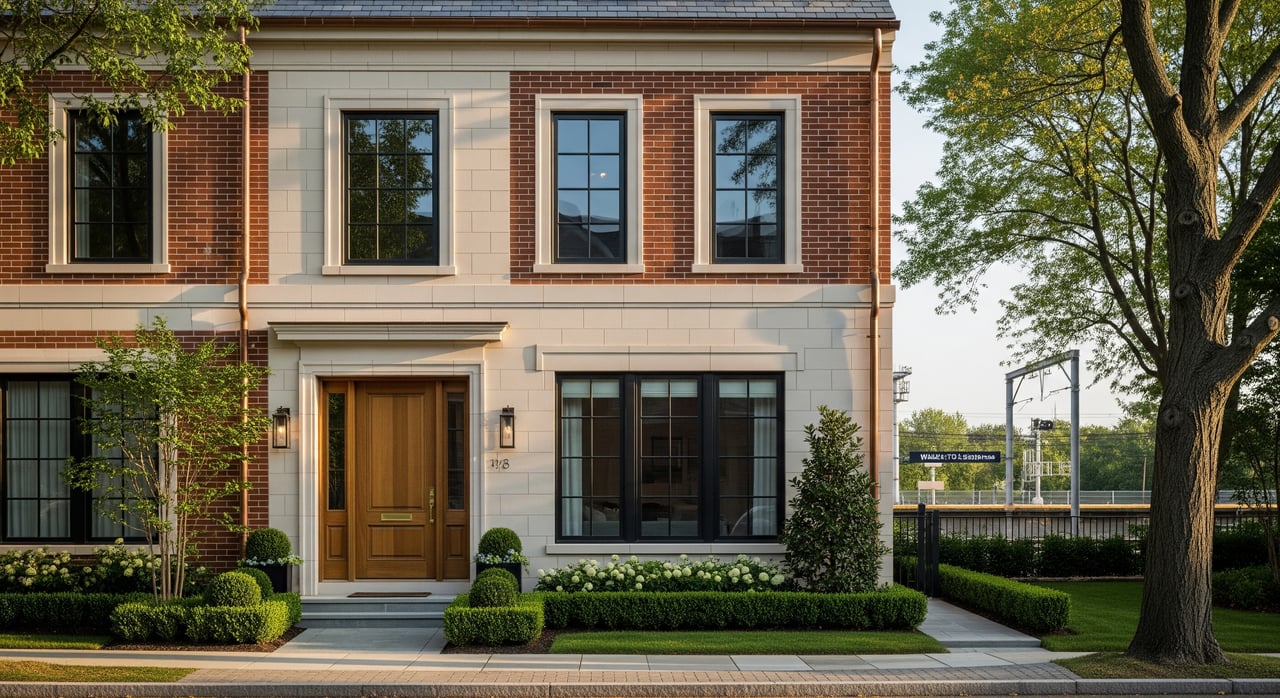
Imagine stepping out your front door, grabbing a coffee, and strolling to your train in under 10 minutes. If you value a simpler, car-light routine with easy access to Center City and daily essentials, Ardmore’s walk-to-train core delivers. You want clarity on transit, housing options, parking realities, and how proximity affects value. This guide walks you through what to look for, what to verify, and how to decide if Ardmore’s station area is the right fit. Let’s dive in.
Why Ardmore walk-to-train works
Ardmore sits on the Main Line with a compact retail center around Suburban Square and Lancaster Avenue. The Lower Merion Township portion places you near Regional Rail, daily amenities, and a mix of historic homes and newer infill. Many buyers choose this area for a balanced lifestyle that blends transit access with neighborhood convenience.
A practical rule of thumb is simple. A 5-minute walk is about 0.25 mile, 10 minutes is roughly 0.5 mile, and 15 minutes is around 0.75 to 1.0 mile. If walk-to-train is a priority, target homes within a 10-minute walk of Ardmore Station or Suburban Square for the best mix of access and amenities.
SEPTA access you can count on
Ardmore Station sits on SEPTA’s Paoli/Thorndale Line, offering direct service into Center City and connections to other lines at key transfer points. Service is more frequent at weekday peaks, with regular off-peak and weekend trains. Timetables and headways change by time of day, so always check the current Paoli/Thorndale Line schedules and alerts on SEPTA when planning your routine.
You also have first and last mile options. Walking is the default, and many riders layer in local bus connections, biking, rideshare, or drop-off. SEPTA stations typically provide bicycle parking, and short-term parking options are common near retail and the station area.
Daily life near Suburban Square
Suburban Square and Lancaster Avenue anchor a pedestrian-focused mix of shops, coffee spots, restaurants, services, and professional offices. You can handle day-to-day needs on foot, from grocery and pharmacy runs to bank visits and fitness classes. Retail tenants can change, so confirm any specific store you rely on.
Neighborhood living extends beyond retail. You will find library branches, a post office, local parks and playgrounds within a short walk of the core, and larger recreation areas a quick drive away. For current facilities and programs, explore Lower Merion Township resources.
Housing types within 10 minutes
Ardmore’s walkable core features early 20th-century homes and small-lot options close to the station, plus low-maintenance condos and townhomes near shops.
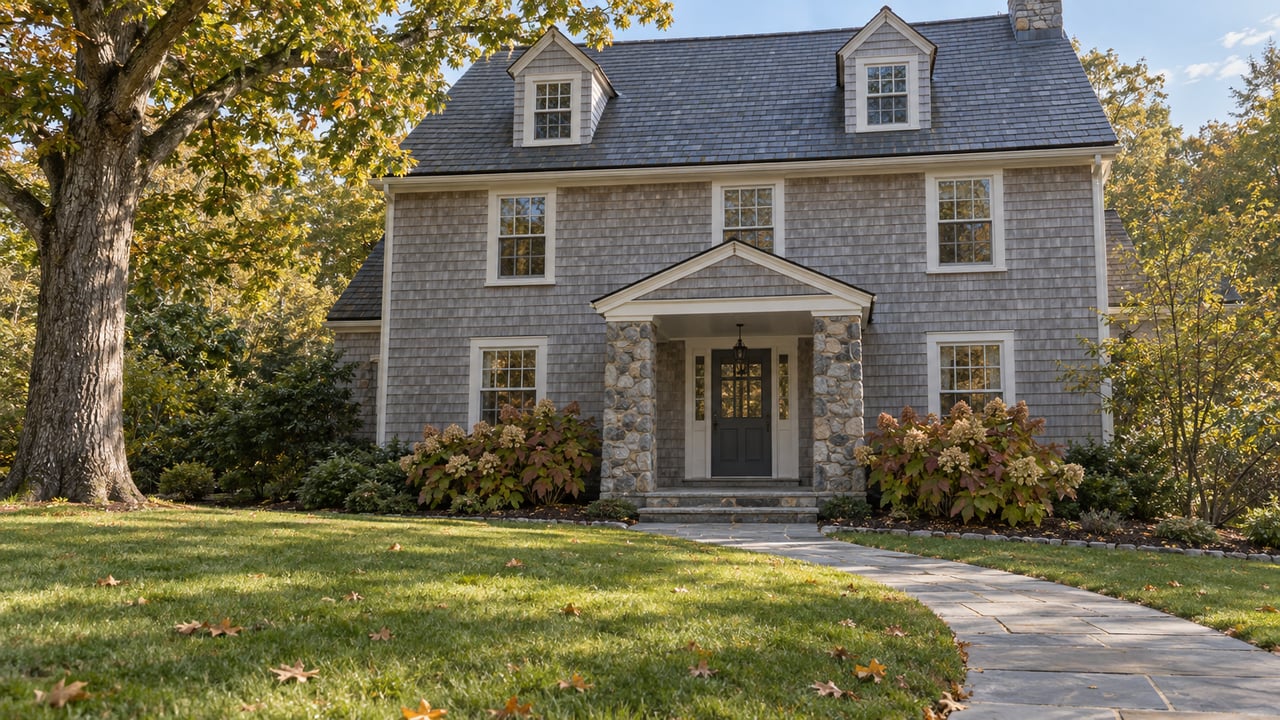
- Detached homes: Classic stone or brick colonials, Tudors, and some Victorians, often with historic details. Lots are modest near the core and larger as you move outward.
- Twins and rowhouses: Closer to Lancaster Avenue and the station, with smaller lots and a short walk to amenities. Off-street parking may be limited.
- Condos and small apartment buildings: Concentrated near Suburban Square and the station, appealing if you want minimal maintenance and direct transit access.
- Newer infill townhomes or conversions: Occasional projects that update older buildings or add modern townhomes for lock-and-leave convenience.
Common interior features include hardwood floors, fireplaces, built-ins, and traditional layouts that some owners have opened up. Basements are typical, often finished or partially finished. Off-street parking varies, so verify driveways or garages if car access is essential.
Parking and permits to know
Parking near any busy commuter station is competitive during weekday peaks. You may find a mix of permit lots, daily parking, short-term spaces, and private or municipal lots. Some streets near the core use meters, time limits, or neighborhood permit zones. Before you buy, confirm the details through Lower Merion Township parking and permit information and the latest SEPTA station and parking updates.
If parking matters to you, make it part of your property tour checklist. Confirm driveway and garage access on-site, and review any rules on converting yards or creating new off-street spaces.
How close is close enough?
Use your real routine as the test. A 5-minute walk delivers a true car-light lifestyle, usually with the most reliable day-to-day convenience. A 10-minute walk, about 0.5 mile, hits the sweet spot for many buyers who want both transit and amenities nearby. A 15-minute walk is realistic for committed walkers who are comfortable with a slightly longer route or who expect to layer in bike or rideshare on busy days.
Your tolerance for distance often depends on schedule and family needs. Commuters with fixed start times tend to prefer 5 to 10 minutes, while flexible schedules can stretch farther if parking or a larger yard is a priority.
Price and resale takeaways
Homes near a regional rail station and a compact retail core often attract broad interest. In Ardmore, convenience to transit and daily services, combined with the appeal of Lower Merion Township, can support demand among commuters, downsizers, and city-to-suburb movers.
The size of any “transit premium” varies by block and property. Key factors include distance to the station, walkability to multiple amenities, off-street parking, property condition, and how well older layouts have been updated for today’s living. Proximity to rail or busy corridors can introduce noise tradeoffs, which matter to some buyers more than others. For a clear picture, review recent sold comps by distance band with your agent or consult Montgomery County property records for accurate property details.
Walkability checks for any address
A quick on-the-ground audit will tell you a lot about daily comfort and safety:
- Sidewalks: Confirm continuous sidewalks, surface condition, and curb ramps along your most likely routes.
- Crossings: Look for marked crosswalks and pedestrian signals at key Lancaster Avenue intersections.
- Lighting and frontage: Streetlights, buffer trees, and active storefronts make evening walks more pleasant.
- Bike routes: Identify low-stress streets for biking to the station or shops. If you rely on biking, note bike racks near your destinations.
- Walk Score: Use a quick benchmark, then ground-truth it in person. You can start with Walk Score’s overview and refine from there.
First and last mile options
Even committed walkers need a backup plan. Local buses, biking, rideshare, and kiss-and-ride drop-off all supplement Regional Rail. If you keep a car, plan where you will park at home and how you will handle occasional station parking needs. For timely updates on service and alternatives, follow SEPTA alerts and schedules.
A simple buyer’s field guide
Use this quick process to evaluate any home within the Ardmore core:
- Map the walk. Time your morning and evening routes to the station and Suburban Square. Aim for 10 minutes or less if walkability is a top priority.
- Check schedules. Review the current Paoli/Thorndale Line schedules for your commute windows and weekends.
- Verify parking. Confirm on-site parking at the home and look into Lower Merion Township permits for your street or the station area.
- Audit the block. Note sidewalks, crossings, lighting, and traffic patterns at peak hours.
- Inspect systems. In older homes, evaluate electrical, plumbing, and HVAC updates, plus kitchen and bath renovations.
- Balance tradeoffs. If you want a larger yard or a garage, consider a slightly longer walk, usually 0.5 to 1.0 mile.
- Confirm data. For property records and tax details, consult Montgomery County resources, then match against recent comps.
Work with a local advisor
When you weigh schools, transit schedules, retail convenience, and historic housing, small differences block by block can have a big impact on your daily life. A local, relationship-first team can help you compare options by walk time, property type, and resale outlook, then coordinate a smooth purchase.
If you are considering a move into Ardmore’s walk-to-train core, connect with the Houder Nunez-Strid Team to refine your search, preview on- and off-market opportunities, and negotiate with confidence. Schedule a Confidential Market Consultation.
FAQs
How far is “walk-to-train” in Ardmore?
- Target a 10-minute walk, about 0.5 mile, with 5 minutes ideal for daily convenience and 15 minutes workable for committed walkers.
Is Regional Rail from Ardmore reliable for commuting?
- Peak-hour service is more frequent, with regular off-peak and weekend trains, so check current SEPTA schedules and alerts for your exact windows.
Will I be able to park near Ardmore Station?
- Availability varies by day and season, so verify commuter lots, daily versus permit parking, and neighborhood rules with Lower Merion Township and SEPTA.
What home types are closest to the station area?
- You will see condos, small apartment buildings, twins, and rowhouses closest in, with detached homes and larger lots as you move a bit farther out.
Do homes near the station hold value in Ardmore?
- Proximity to transit and amenities typically supports demand, but review recent local comps and property records through Montgomery County for the clearest picture.
What tradeoffs come with living close to Lancaster Avenue?
- Expect smaller lots, limited off-street parking in some blocks, more pedestrian and vehicle activity, and older systems that may need updates in historic homes.